current reading : late march / early april


BOOKBINDING & POLITICS
On the afternoon of Thursday 9 April I will be giving a talk at Oberlin College in connection with a program and workshop on bookbinding and politics at the library, We hold these Truths . . . to be Binding! Austin binder Jace Graf will be leading the workshop.  Information on the event can be found here :  https://oberlin.libcal.com/event/16363787
My talk is open to the public and is entitled Reading the Structure of the World : Bookbinding, Artificial Intelligence, and Life
I am looking forward to this, and to the idea of a bookbinding project that is not an all-consuming thrust to meet the deadline for an edition binding.
— — —

recent reading :

— Larry McMurtry. Lonesome Dove. A Novel [1985]. Foreword by Taylor Sheridan. [2], 858 pp. Simon & Schuster Paperbacks, [2025].

A spectacular book, every sentence and every chapter, from the Rio Grande up to the northern reaches of Montana. Engaging, devastating, even horrifying, and compelling at every level. This is a work of fiction so richly imagined that the reader walks, rides, listens, all the way. I cite a very few passages of interest :

“I ain’t a natural bachelor,” Augustus said. “There’s days when a little bit of talk with a female is worth any price. I figure the reason you don’t have much to say is that you probably never met a man who liked to hear a woman talk. Listening to women ain’t the fashion in this part of the country. But I expect you got a life story like everybody else. If you’d like to tell it, I’m the one that’d like to hear it.”

“The Earth is mostly just a boneyard. But pretty in the sunlight,” he added.

“Jake just mostly drifts. Any wind can blow him.”

“Ride with an outlaw, die with him.”

I though that slavery was the Matter of America, but McMurtry makes a pretty good case for the cattle drive and shoot-out and massacre as the vernacular Odyssey at the heart of the heart of the country.

(I read Lonesome Dove because David Streitfeld’s book Western Star sparked my curiosity.)

— — —

— John Masefield. ODTAA. A novel. William Heinemann, 1926. One of 275 copies signed by the author.
Picaresque account of a revolution in a tinpot Latin American dictatorship.  Prequel, of sorts, to Sard Harker (1924).
For an essay that will appear on Wormwoodiana.

— — —

Michael Swanwick has published a brief, funny, and opinionated account of the New Wave in science fiction, The New Wave Explained

He followed with A Box Full of Controversy, a look at the origins of his 1986 essay A User’s Guide to the Postmoderns, Including the Battle for the Future, Unbridled Ambition, the Fate of the Children in the Starship, the Cyberpunk-Humanist Wars, Blood under the Banquet Tables, Metaphors Run Amok, and the Destruction of Atlantis !

— — —

the Story Prize 2026
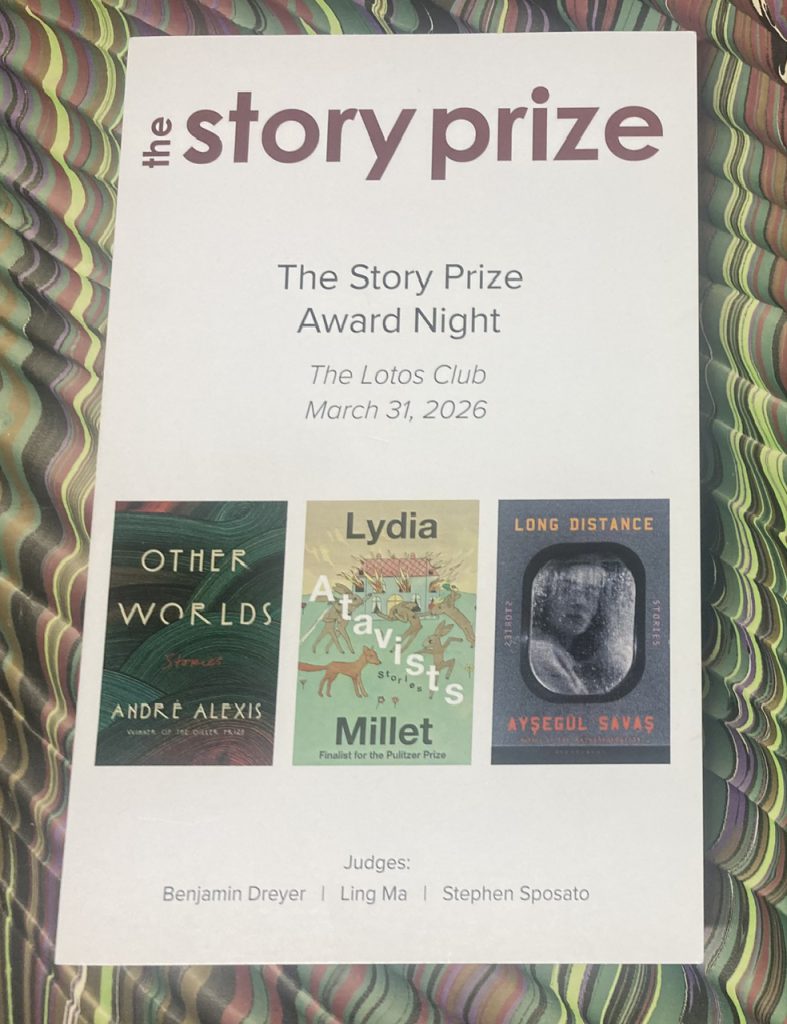
the winner of the 22nd annual Story Prize award is André Alexis, author of Other Worlds. Stories (FSG Originals. Farrar, Straus & Giroux, 2025).

— — —

current reading :

— Marcel Proust. A la recherche du temps perdu. I. [Du côté de chez Swann. À l’ombre des jeunes filles en fleurs]. NRF Gallimard, [2019]. Bibliothèque de la Pléiade.
/ I am back into it.

The Supernatural Omnibus. Being a collection of Stories of Appraitions, Witchcraft, Werewolves, Diabolism, Necromancy, Satanism, Divination, Sorcery, Poetry. Voodoo, Possession, Occult Doom and Destiny. Edited, with an Introduction, by Montague Summers. Gollancz, 1931.
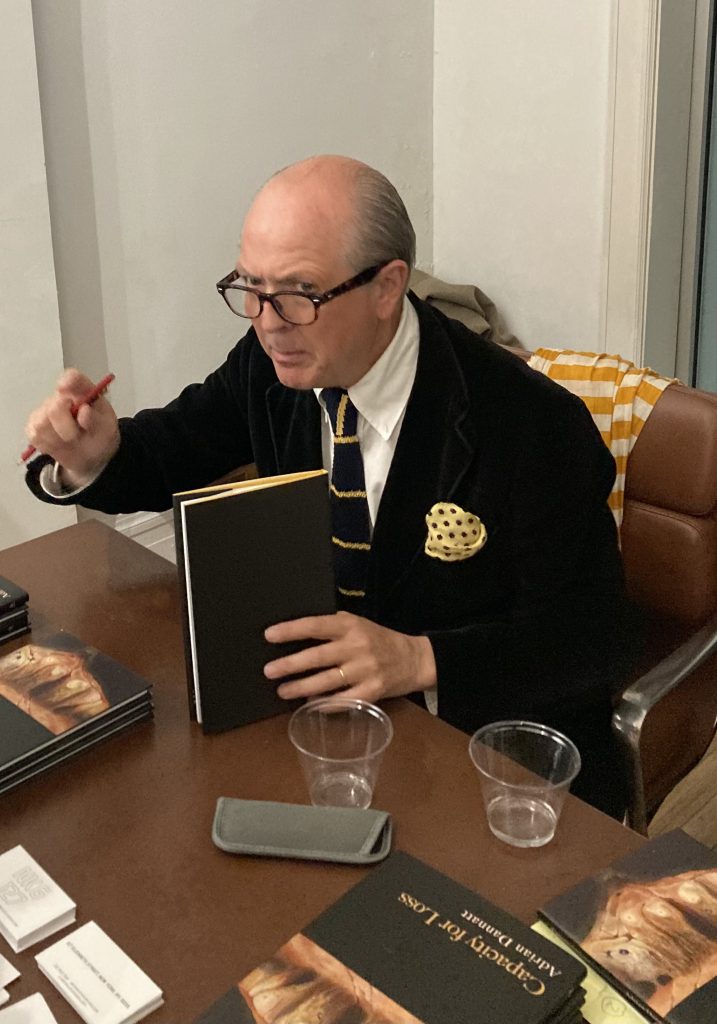
man about town

poet Adrian Dannatt gestures after signing a copy of his collection of poetry, Capacity for Loss. It's a pretty good book

— Adrian Dannatt. Capacity for Loss. [Opium Books, 2024]. Edition of 300.  Yellow cloth, dust jacket with illustration, Gaia, from the painting by Danny Moynihan.
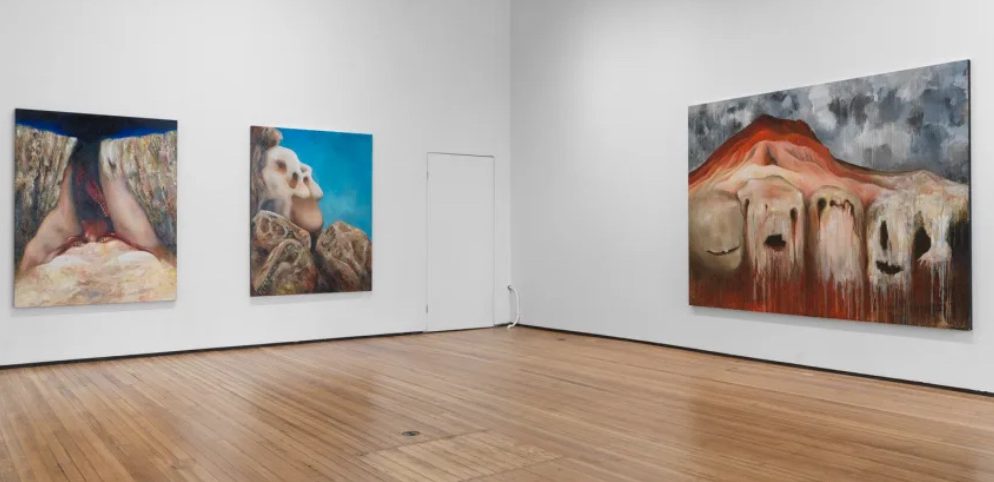
Author Adrian Dannatt, debonair man about many towns, is seen in mid-gesture above, just a few minutes ago at the publishing party for the launch of his collection of poems, Capacity for Loss, at Nathalie Karg Gallery, amid an installation of Danny Moynihan’s paintings.
Danny Moynihan paintings at Nathalie Karg Gallery

— — —

Sard Harker by John Masefield’ is an essay published for the centenary of this adventure novel set in Santa Barbara, most leeward of the sugar countries of South America, now up on Wormwoodiana. It is set in a South America of abandoned villages and mysterious temples, a land of adventure and visions, a paradise of metaphor and simile.

— — —

Your correspondent will be at the Boston International Antiquarian Book Fair, Friday through Sunday 8-10 November, at the Hynes Convention Center (Cummins booth 514). Come say hello. I will have copies of The Private Life of Books and others available.

— — —

commonplace book : May 2024

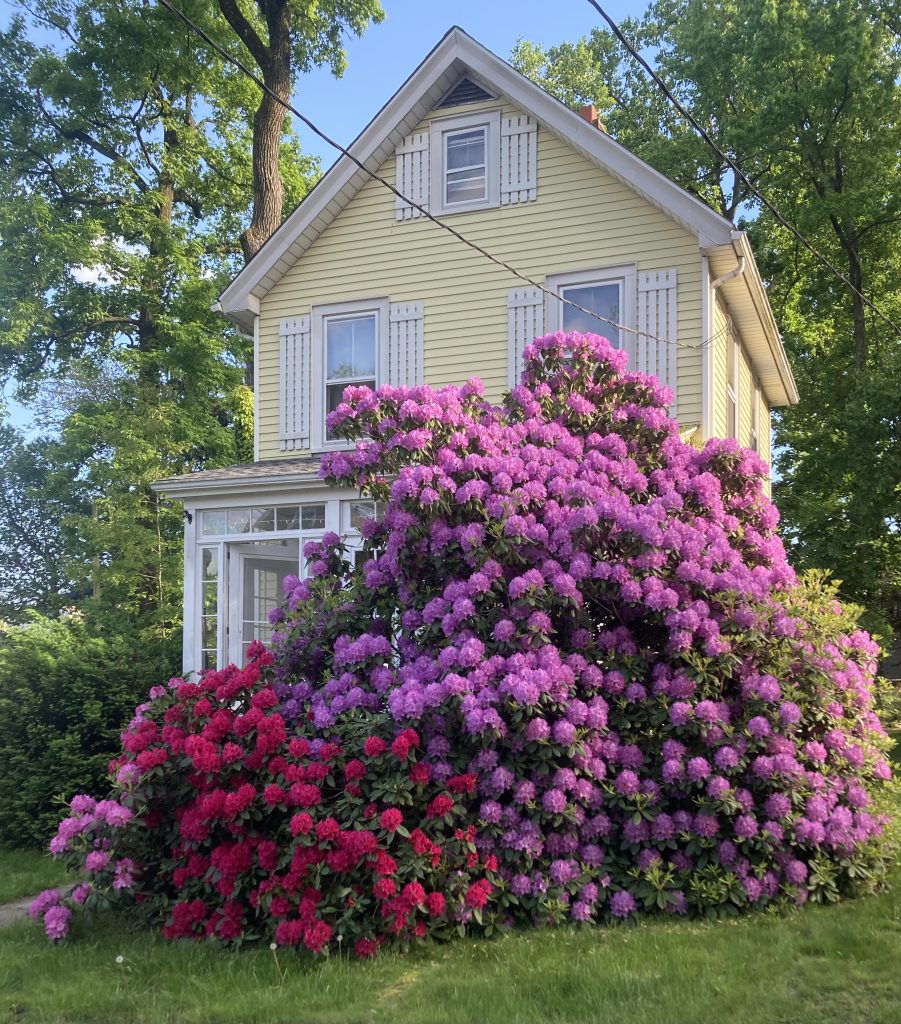
Rhododendron Day

— — —

‘Dosis sola facit venenum’ — Paracelsus

This is the epigraph to K. Groark’s weird and fascinating paper from the Journal of Ethnobiology (1996)

RITUAL AND THERAPEUTIC USE OF “HALLUCINOGENIC” HARVESTER ANTS (POGONOMYRMEX) IN NATIVE SOUTH-CENTRAL CALIFORNIA

This is one time where I am especially happy to read the anthropological record and not be a participant in the events reported. [via Chris Brown’s Field Notes]

— — —

There will be an exhibition at the Grolier Club this fall, celebrating the centenary of Billy Budd (12 September to 9 November). I have just seen an advance copy of the concise, elegant catalogue, Melville’s Billy Budd at 100.

Mark your calendars.

— — —

as Gothic as it gets

something evil flowed into the man to make him bigger : he seemed to dilate and glow with an increase of personality

— John Masefield, Sard Harker, 1924

— — —

‘let me ride on the Wall of Death one more time’

So what does Shakespeare teach us? Nothing. His tragic theater is not a classroom. It is a fairground wall of death in which the characters are being pushed outward by the centrifugal force of the action but held in place by the friction of the language. It sucks us into its dizzying spin.

— Fintan O’Toole, No Comfort, in New York Review, 6 June 2024