news & notes : mid-May

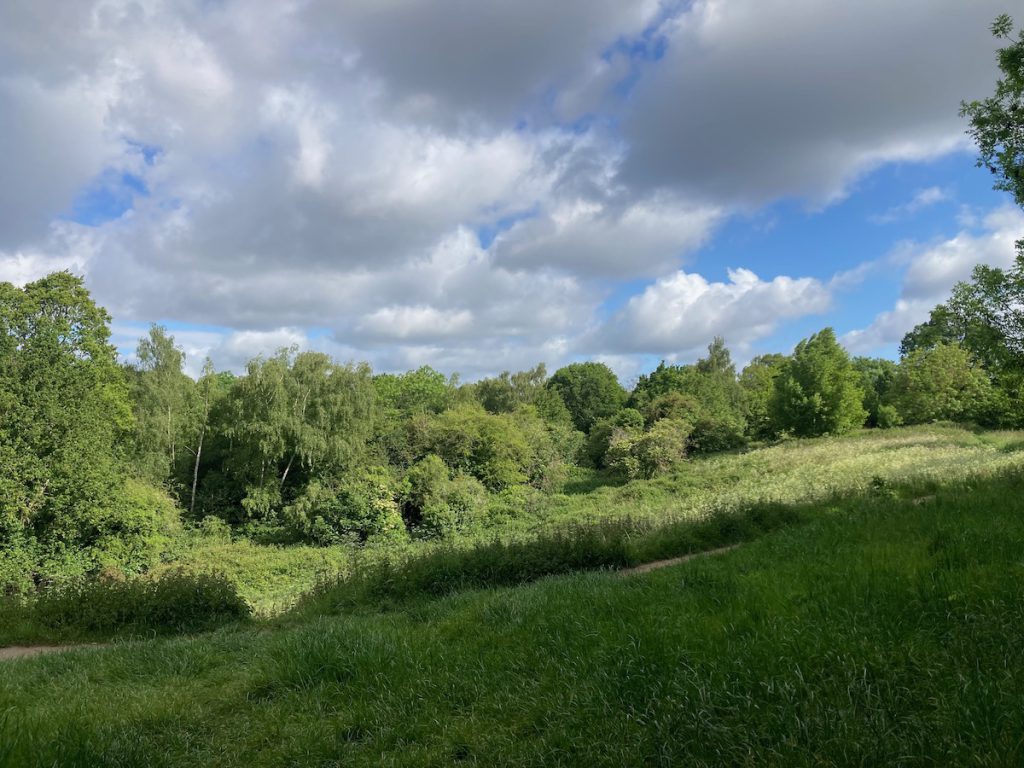
on Hampstead Heath, May 2026

— — —
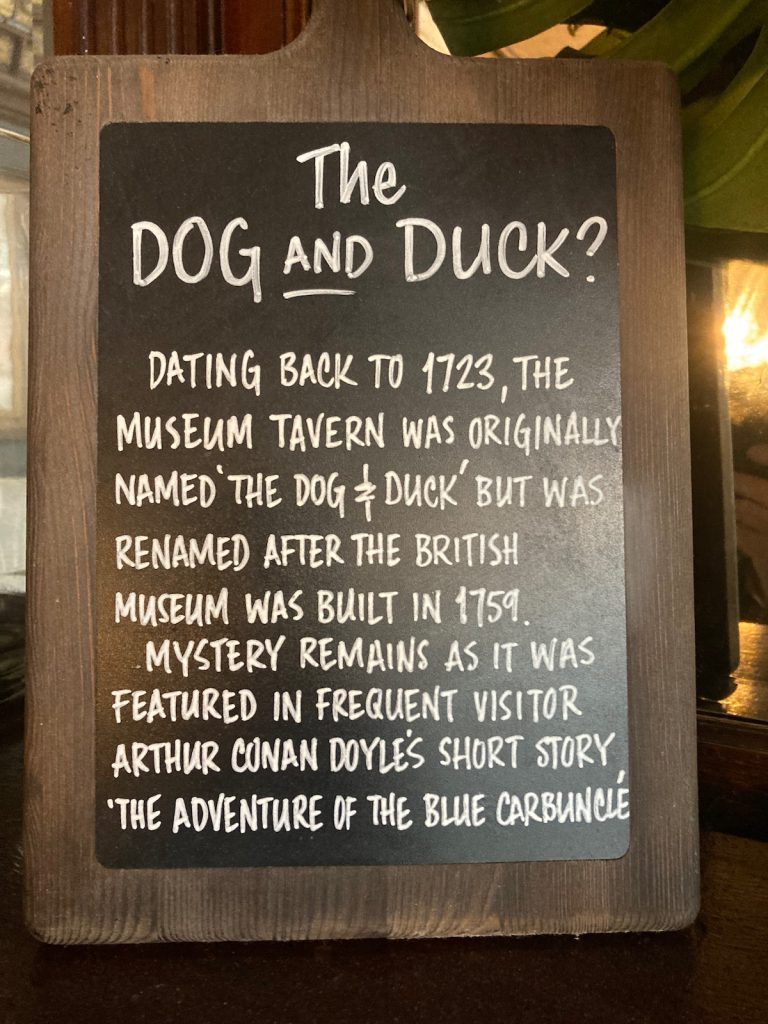
This sign, suggestive of Arthur Machen, seen in the Museum Tavern.

— — —
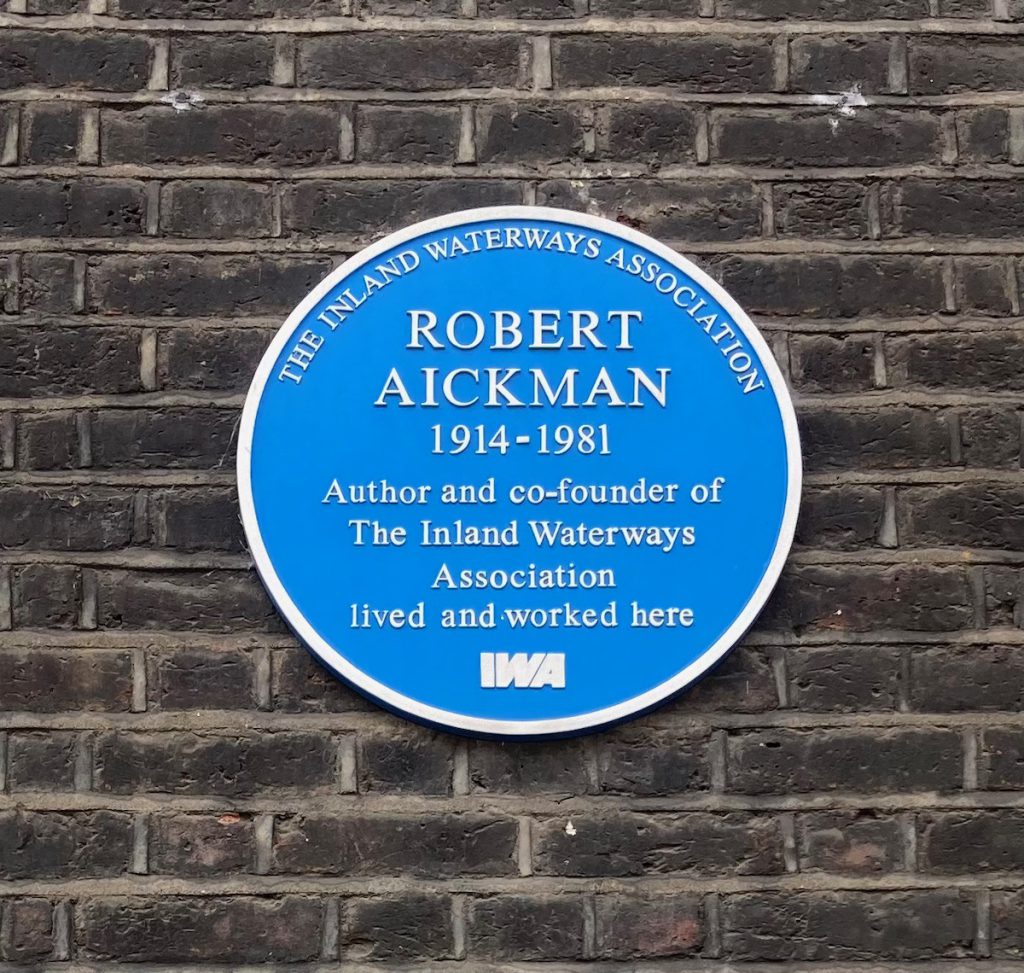
Blue plaque for Robert Aickman in Gower Street.
/ seen along the way but not shown : John Galsworthy, Dorothy L. Sayers, Ottoline Mortell, D. H. Lawrence, Leigh Hunt, Constable, and others

— — —
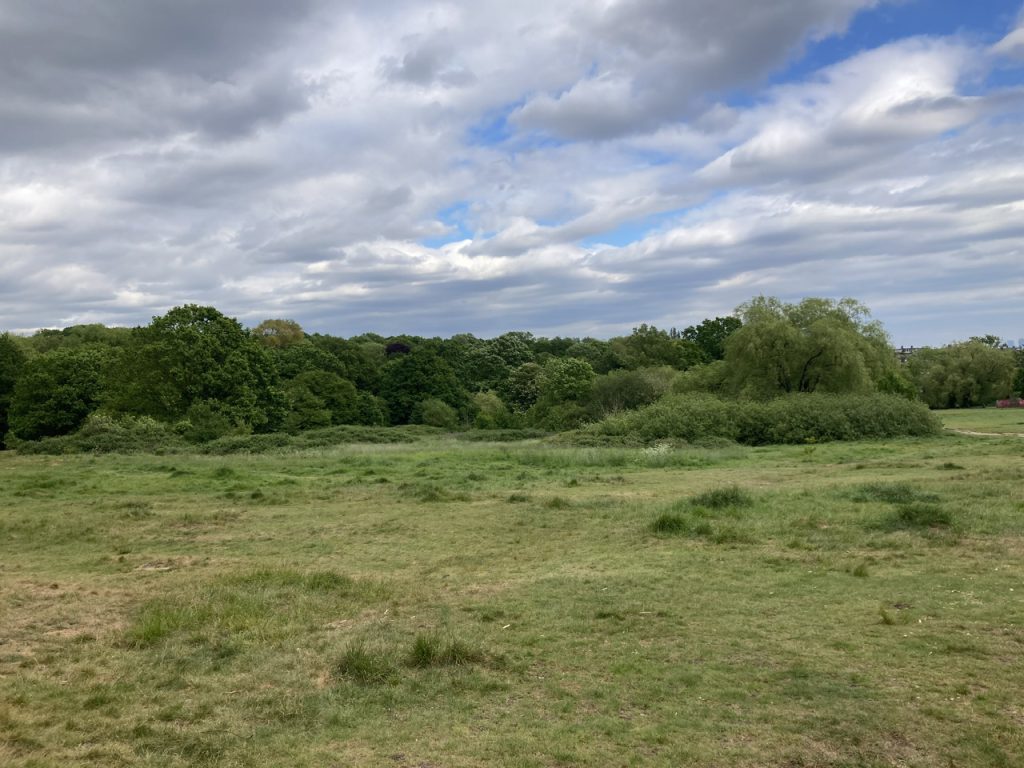
on Hampstead Heath, May 2026

In London for the Firsts antiquarian book fair at the Saatchi Gallery (14-17 May). Come say hello (Cummins booth A10).
https://www.firstslondon.com/

— — —
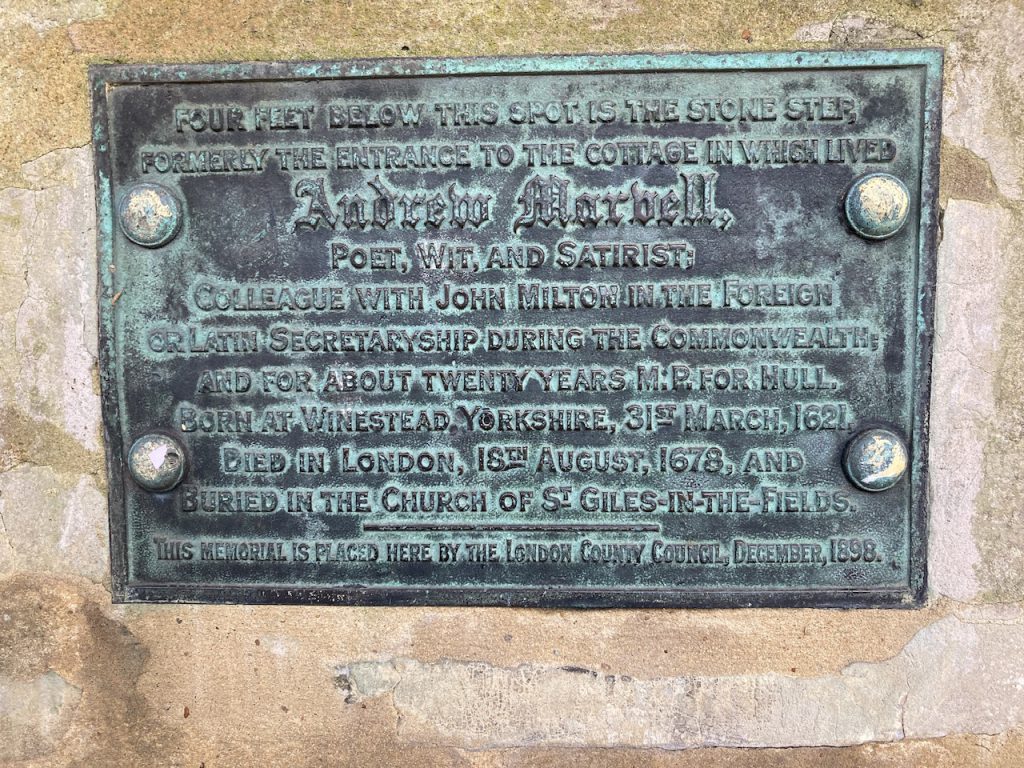
bronze plaque for Andrew Marvell (1621-78), on a wall in Highgate

— — —

current reading :

— Jean-Paul Sartre. Les Mots [1964]. Gallimard / Folio, [January 2026].

After the young Jean-Paul’s mother falls asleep while reading to him :

. . . c’était le livre qui parlait. Des phrases en sortaient qui me faisaient peur : c’étaient de vrais mille-pattes, elles grouillaient de syllabes et de lettres, étiraient leurs diphtongues, faisaient vibrer les doubles consonnes ; chantantes, nasales, coupées de pauses et de soupirs, riches en mots inconnus, elles s’enchan-taient d’elles-mêmes et de leurs méandres sans se soucier de moi : quelquefois elles disparaissaient avant que j’eusse pu les comprendre, d’autres fois j’avais compris d’avance et elles continuaient de rouler noblement vers leur fin sans me faire grâce d’une virgule.

/ file under : boys and their mothers

— — —

— Camille de Toledo. L’internationale des rivières. Un recit de l’avenir. Verdier, [février 2026].
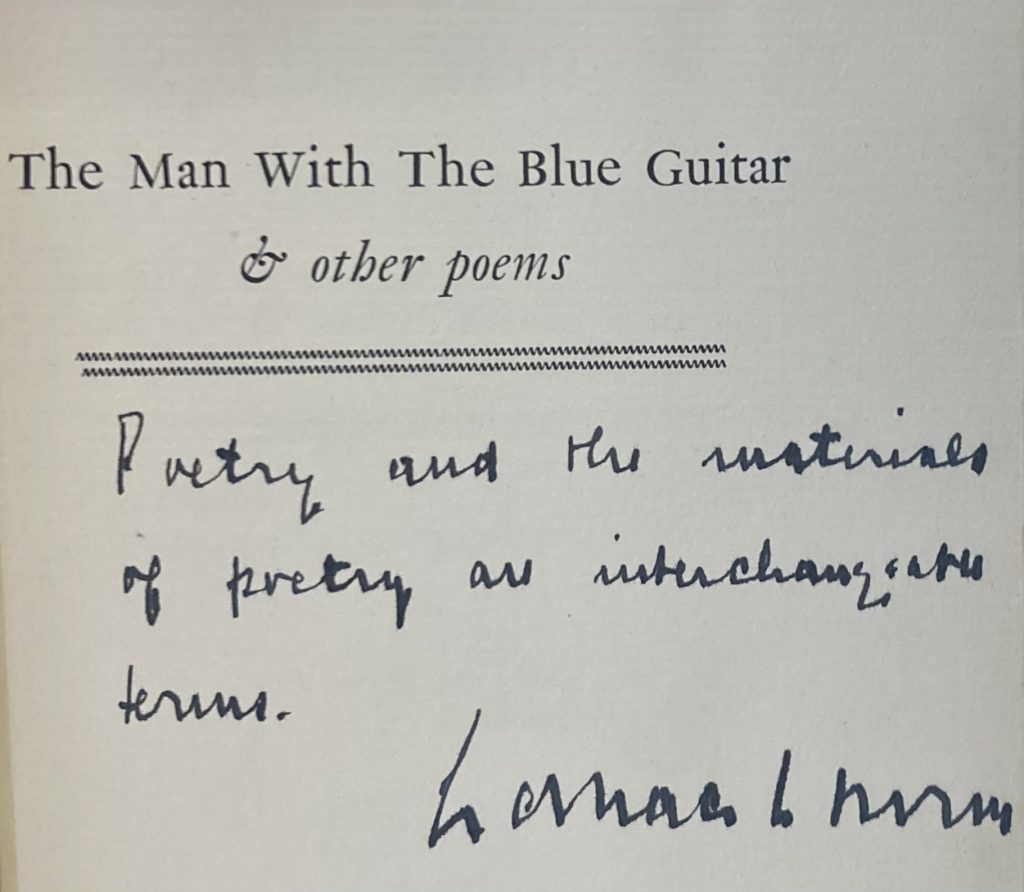


commonplace book : autumn 2025

Poetry and the materials of poetry are interchangeable terms. Wallace Stevens

/ inscription in a copy of The Man with the Blue Guitar, 1937.

— — —

I collect only words : the books on the shelves are forests and mountains, pathways and tools and ore and tailings

— — —

What is a book but the record of the struggle of a story to tell itself ?
— Henry Wessells on the writings of Peter Straub

/ from the archives

— — —

Il représentait en ce siècle, et contre l’Histoire, l’héritier actuel de cette longue lignée de moralistes dont les oeuvres constituent peut-être ce qu’il y a de plus original dans les lettres françaises. Son humanisme têtu, étroit et pur, austère et sensuel, livrait un combat douloureux contre les événements massifs et difformes de ce temps. Mais, inversement, par l’opiniâtreté de ses refus, il réaffirmait, au coeur de notre époque, contre les machiavéliens, contre le veau d’or du réalisme, l’existence du fait moral.
— Jean Paul Sartre, on Camus after his death in 1960

— — —

“It feels extraordinary to be reviewing now, in 2025, a new book of ten poems by Charlotte — astounding not only that they have not been published before, but also that they have never been transcribed or photographed.  [. . .]

“But they make their own argument for publication. It’s not just that they are good, but that it is amazing to read a young writer loudly, exultingly, exploring her ideas on the page. [. . .] perhaps Charlotte’s book has been rediscovered just when it is needed — as a reminder of what can happen when children are allowed to write headlong and with joy, spelling everything wrong, but getting everything that’s most important right.”
— Samantha Ellis, reviewing A Book of Ryhmes by Charlotte Brontë in the TLS

— — —