news & notes, late May & early June

news & notes

the view from the hammock

— — —

— Michael Swanwick. Basil, Pepper, Salt, and Garlic Greens : A Year in a Witch’s Kitchen. Dragonstairs Press, 2026. Edition of 80.
A cheery mediaeval fantasy of “Auld Agnes” (twice a widow and not yet thirty) and celebration of the seasonal bounty of the land,  a novel in miniature that swiftly turns very dark.
——. Twenty-Three Reasons to Attend ICFA. Dragonstairs Press, 2026. Edition of 40.
A brief history of the convivial gathering that is the International Conference on the Fantastic in the Arts, issued to mark the 47th iteration.

— — —

IX XI. A documentary by Sean Wilsey.

I caught one of the screenings of IX XI in its premiere at the Tribeca film festival. I was impressed by the collage of small moments to tell a big story ; the events of 11 September 2001 in New York City are one of the defining events in my lifetime. The film is built upon interviews with a dozen people “from all walks of life”, including some fabulous cameos, and good archival moments. I especially dug the footage of skateboarding the plaza, and the art on the beach segments from earliest days of the World Trade Center. Director Sean Wilsey is a good listener. Roz Chast is every bit as compelling in her tales of parental anxiety as in her cartoons. The TV cameraman communicated his impulse to get right down there and interview people on the spot : the dread and the excitement are equally palpable. And his memory of waking the next day with concrete tears in the corners of his eyes was moving. There were even some laughs. In the Q&A after the film, Wilsey noted that his own account of his experiences on the day was the first to be cut. The interviews are recorded (without any prompts or questions) in a set that alludes to Yamazaki’s soaring façades and to rippling waters of memory and memorial pools. The film is limited to the days before and the day itself, no politics or exploration of aftermaths, an intention, and a choice, I can respect.

— — —

current reading :
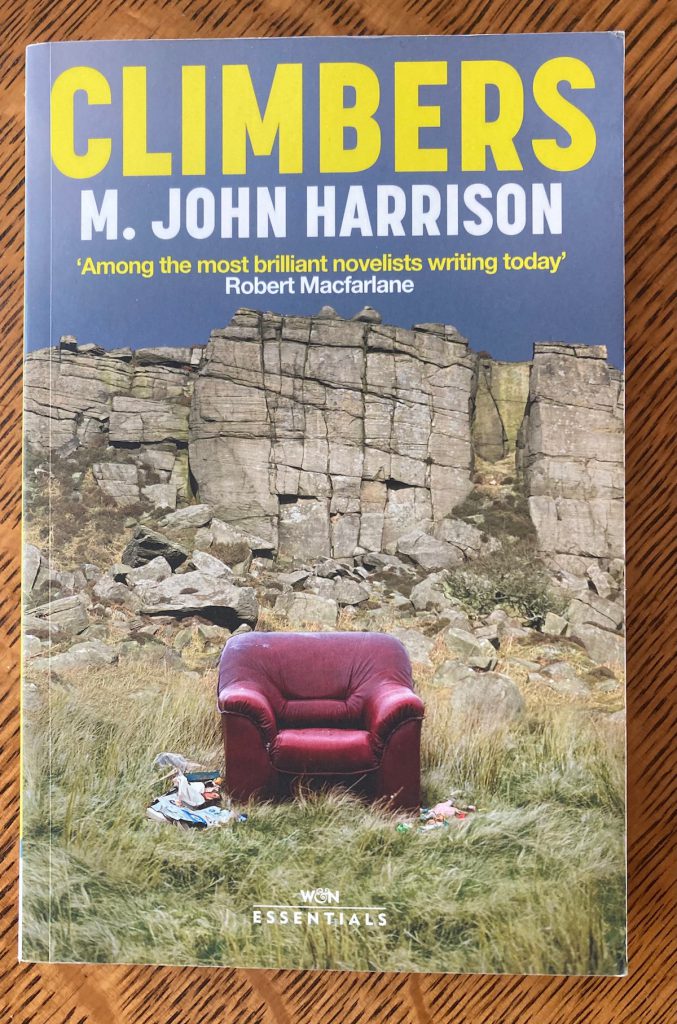
— M. John Harrison. Climbers [1989]. W&N Essentials, [2022, 7th printing].
Somehow I had never read this wonderful book. If one of the characters appears to suffer from “a kind of nostalgia, but for a place you’ve never been”, Harrison’s tricky prose reads like a memoir of events that never happened and it is no less true for that.

— — —
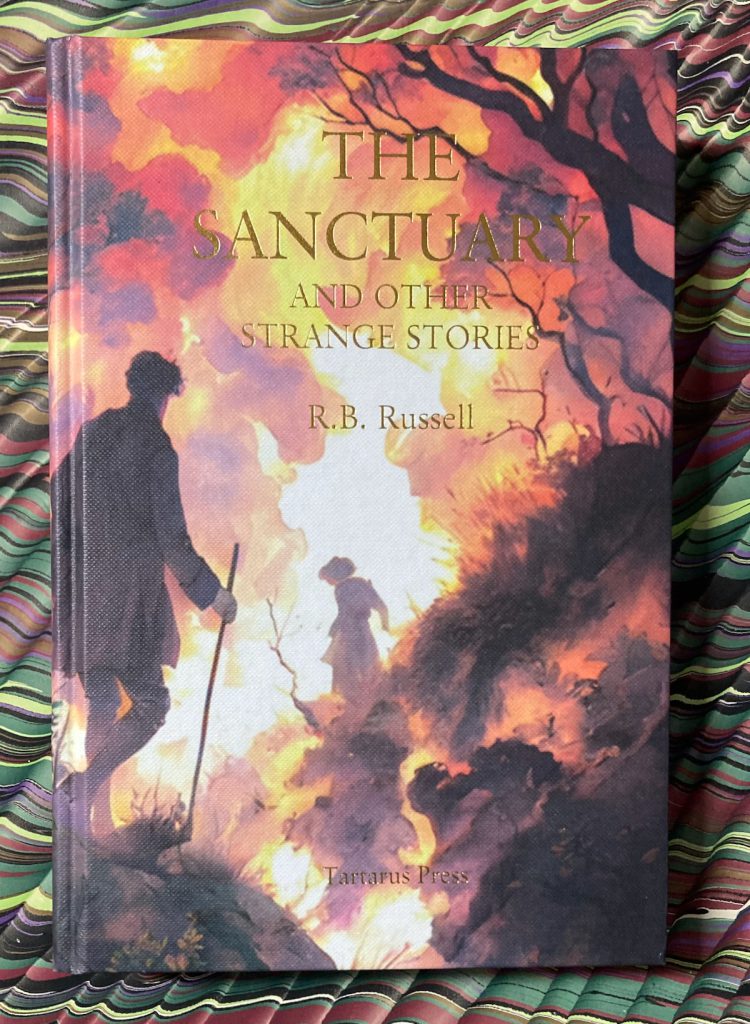
— R. B. Russell. The Sanctuary and Other Strange Stories. Tartarus Press, [2026]. Pictorial boards, dust jacket, from a painting by the author.
Collection of 28 stories, written over a period of some two decades.
Am really looking forward to reading this.

— — —

recent reading :

‘an inventory of silent nothings’
— (LAWRENCE, T. E.) Colin Sackett. The      . A Concordance. Uniformbooks, 2026. [Gift of MV].
Bibliographical concordance to the expurgations in the published edition of The Mint, A day-book of the R.A.F. Depot between August and December 1922 with later notes by 352087 A/c Ross (1955). T. E. Lawrence wrote an account of his time in the R.AF. and in March 1928 “he sent a clean copy of the revised text to Edward Garnett [who] had copies typed which were circulated to a small circle, among them Air Marshal Trenchard. Trenchard’s concerned response led Lawrenceto guarantee that it would not be published at least until 1950.” When Lawrence died following a motorcycle crash, his brother made arrangements with Doubleday, Doran, American publishers of Seven Pillars of Wisdom, to produce 50 copies of a copyright edition of The Mint in 1936 (O’Brien A166), ten copies of which were nominally for sale at the prohibitive price of $500,000 per copy. When The Mint was published in 1955, the censored content (“all objectionable words”) was not “conventionally redacted — by substituting asterisks, or emphatic black overprinting — but rather, made absent” :  as blank spaces. The vocabulary is rather limited and predictable : in his editorial note, Sackett helpfully provides an inventory. (In 1973 a definitive edition, edited with a preface by J. M. Wilson, and including the objectionable words and names as they appeared in the manuscript, was published by Cape).

— — —

— Richard K. Morgan. No Man’s Land. Del Rey,  [2026].
Violent collision of notions of Faerie with the dislocations in the aftermath of the first world war : memories of trench warfare, sexy witchcraft, and the Forest resurgent and threatening, in a hard-boiled detective mode, with mockery of the political and intelligence establishment (and the Order of the Golden Dawn). Relations between humans and “the Huldu” are largely gladiatorial in nature and the encounters are deftly choreographed. While Dunsany is named from the first page, and one of the book’s sectional epigrams cites Raymond Chandler (“It is not a very fragrant world, but it is the world you live in.”), the narrative tone is much more Mike Hammer or Carroll John Daly than Hammett or Chandler. An intense book.

— — —

— Charles E. Gould, J, Jnr. The Toad at Harrow. P. G. Wodehouse in Perspective. London: [Printed by the John Roberts Press for James H. Heineman], 1982.

— — —

An Englishman in New York. A Selection from the Library of Stephen C. Massey. Illustrated. 112 pp. (220 items). Peter Harrington, 2026.
An interesting and wide-ranging catalogue with numerous dedication copies and interesting rarities, such as Melmoth the Wanderer (1820) in rose muslin over boards (right at the dawn of modern cloth bookbinding), and a beautiful pair of Norwich textile sample books from the same period. As an auctioneer with Christie’s Mr. Massey sold a Gutenberg Bible in 1978 and the Codex Hammer of Leonardo da Vinci in 1994 (now known as the Codex Leicester).

— — —

Madly Singing in the Mountains. An Appreciation and Anthology of Arthur Waley. Edited with a preface by Ivan Morris. George Allen & Unwin, [1970]. Recollections of the great translator and poet Arthur Waley, whose A Hundred and Seventy Chinese Poems (1918) is one of the great texts of English modernist poetry ; he also translated Japanese poetry, The Pillow Book of Sei Shonagon, The Tale of Genji, The Poetry and Career of Li Po, and Monkey. With a miscellany of extracts from his other works.

If there is but a seed
On the face of the rock
A pine will grow ;
And shall not love worth calling love
Find always a way to meet ?

— — —

— John Blackburn. The Blue Octavo. Jonathan Cape, [1963].

— Colin Dexter. The Way through the Woods. Crown Publishers, [1992].

— Bernard J. Farmer. Death of a Bookseller [1956]. Poisoned Pen [in association with the British Library, 2023].

— Henry Wade. The Hanging Captain. Constable, [1932].

— — —
 

Readercon 34 (July 2025)

Readercon 34 Schedule
at the Boston Marriott Burlington in Burlington, Mass.
https://readercon.org

Saturday 19 July
10:00 a.m., at the autographer’s table
Autograph Session : Henry Wessells

Sunday 20 July
10:00 to 11:00 a.m., in : Create / Collaborate
The Art of the SF Book Cover
John Clute & Henry Wessells
Panel description : Since its inception, the British Library, the national library of the UK, has stripped dust jackets off books in its holding and discarded the unwanted wrappers, losing an essential piece of their cultural and artistic significance. In The Book Blinders, science fiction historian and theorist John Clute details the “annals of vandalism” at the British Library, with a focus on works lost (and found). John Clute and antiquarian bookseller Henry Wessells give a joint presentation on this subject, with numerous illustrations, and with extra time for Q&A.

11:00 to 11:30 a.m., in : Empower / Embrace
Reading : Henry Wessells
Henry Wessells reads from The Elfland Prepositions and from Another Green World (both newly published in 2025).

12:00 noon to 1:00 p.m., in : Create / Collaborate
The Art of the SF Book Cover
John Clute & Michael Dirda
Panel description : The early divergence of American and British science fiction may best be witnessed in the works of UK authors in the 1930s and ’40s that have been called “scientific romances.” Unlike their pulp cousins in the US, these works lack the optimistic outlook of young square-jawed heroes out to conquer the galaxy. Instead, they offer anxiety about rogue scientists armed with Ultimate Weapons out to blackmail the world to either peace or servitude. In this presentation, famed fantastika theorist John Clute and Michael Dirda will discuss this less-recognized strand of SF.
[N.B. I will be running a slide show not dissimilar to the one for dust jackets.]

I should arrive at Readercon by midday on Friday. Temporary Culture will have a table in the book room on Friday and Saturday, and copies of A Conversation larger than the Universe, The Private Life of Books, The Elfland Prepositions, and Another Green World (advance copies of the Zagava paperback), the publications of the Avram Davidson Society, Sexual Stealing by Wendy Walker, and a variety of other books will be available for sale (cash, cheque, or paypal). If you see me, come say hello. There is always plenty of time for conversation.

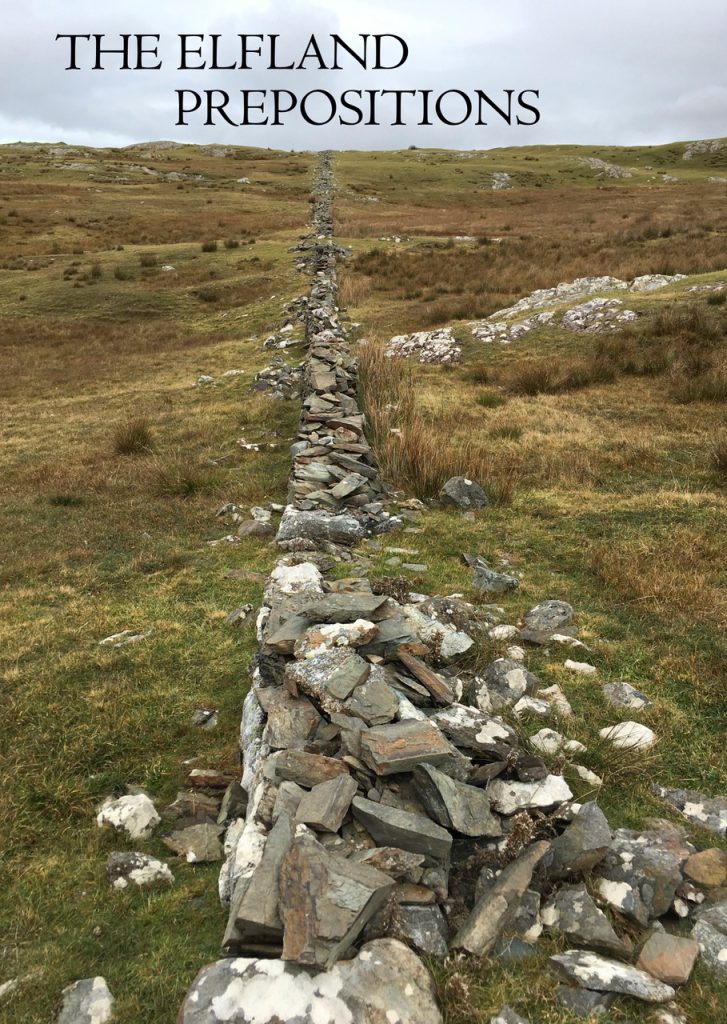
The Elfland Prepositions by Henry Wessells

The Elfland Prepositions

— Henry Wessells. The Elfland Prepositions. Temporary Culture, 2025.
Printed on Mohawk superfine white eggshell. Pictorial wrappers. 26 copies, lettered A to Z, were reserved for presentation ; there were also 100 copies numbered 1 to 100. Edition of 326 copies.

Collection of four previously unpublished short stories :
Cleaning up Elfland
The Barmaid from Elfland
John Z. Delorean, Dry Cleaner to the Queen of Elfland
A Detective in Elfland

Published 27 February 2025. Click on link or photo to order.
ISBN13 978-0-9961359-0-0 ISBN 0-9961359-0-1

Elfland is not a nice place, but it’s important to know how it works.

— — —

“elegant” — MICHAEL DIRDA, in the Washington Post

“Here is an Elfland as implacable as ever, but now ruthlessly enmeshed in contemporary mortal affairs.” —  MARK VALENTINE

“very clever, beautifully dark in implication. [. . .] Wessells is not prolific at all (in fiction) but what he does is outstanding.” — RICH HORTON

”If you don’t believe in magic, read Henry Wessells and find out how wrong you are.” — GUY DAVENPORT

commonplace book : february 2025

The Elfland Prepositions, published 27 February

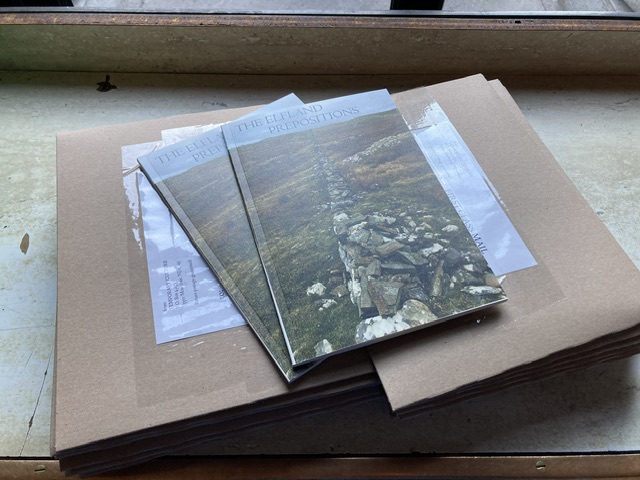
advance copies of The Elfland Prepositions, at the Post Office

advance presentation copies, at the post office ready for mailing [26 February]

in production

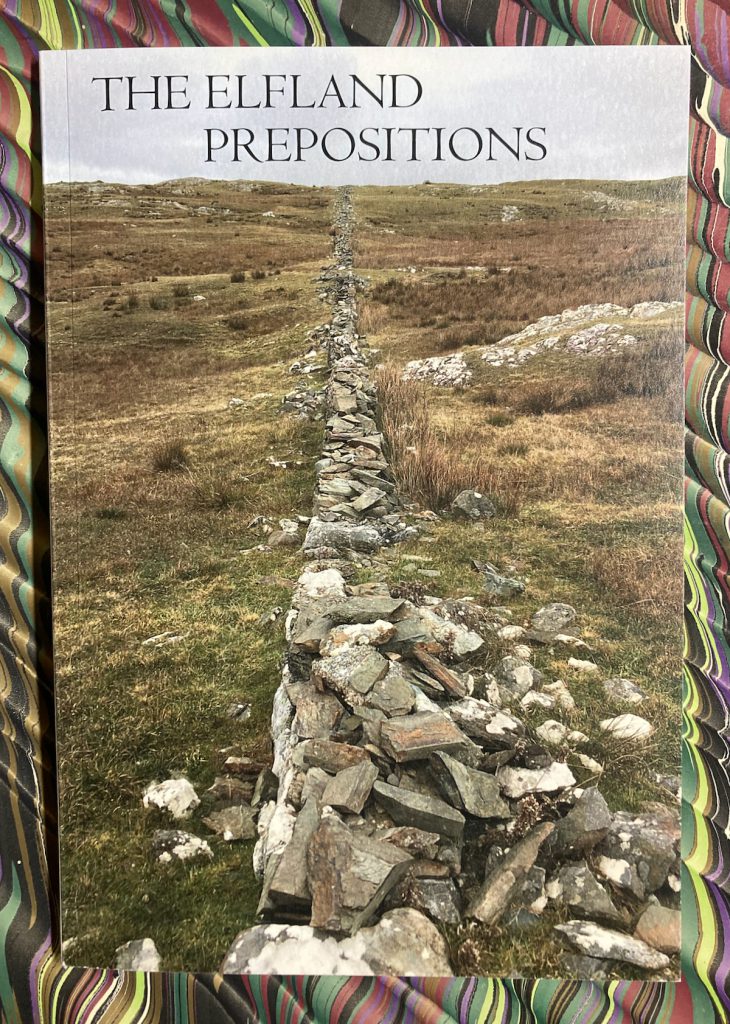
The Elfland Prepositions. Cover image
— Henry Wessells. The Elfland Prepositions. Temporary Culture, 2025.
Printed on Mohawk superfine white eggshell. Pictorial wrappers. 26 copies, lettered A to Z, were reserved for presentation ; there were also 100 copies numbered 1 to 100.

Proof copy above (received 12 February 2025) ; proofs corrected & in production (14 February 2025), published 27 February 2025.

Copies now offered for sale, click on link or photo to order.
ISBN13 978-0-9764660-0-0 ISBN 0-9764660-0-1

Collection of four previously unpublished short stories.

Elfland is not a nice place, but it’s important to know how it works.

— — —

seen in the imagination, and at the Grolier Club :

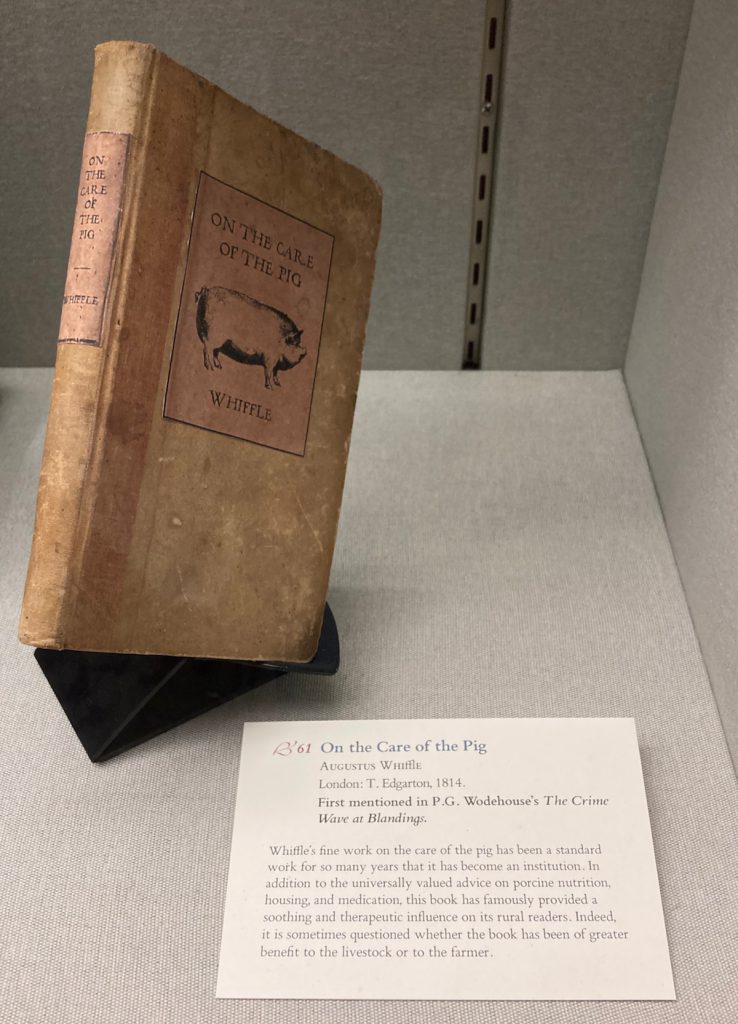
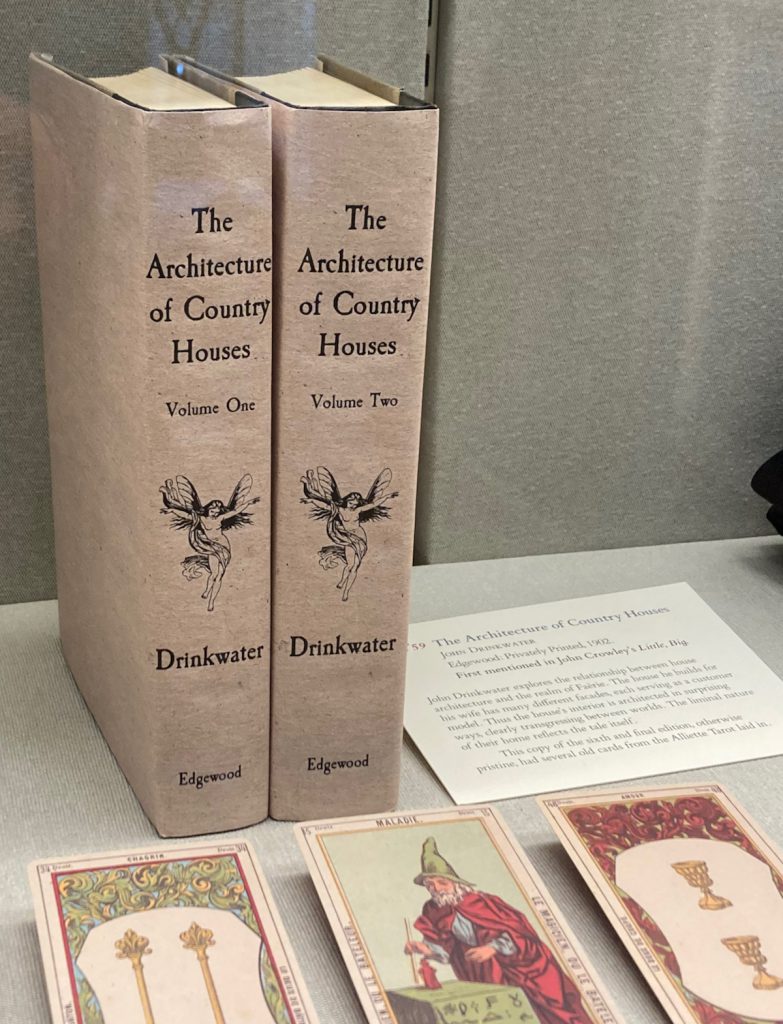
two entries from the recent Grolier Club exhibition, Imaginary Books. Lost, Unfinished, and Fictive Works Found Only in Other Books, from the collection of Reid Byers.

— — —

current reading

— Charles Robert Maturin. Melmoth the Wanderer: A Tale [1820]. With introduction and notes by Victor Sage. Penguin Books, [2000].
/ into the labyrinth, again

— — —

recent reading

— Len Deighton. Hope. HarperCollins, [1995].
— — Charity. HarperCollins, [1996].
— — Winter. A Novel of a Berlin Family. Knopf, 1987.
Germany in the world, 1899-1945 ; back story or bedrock for the Bernard Samson novels.

— — —

‘away from the clank of the world’

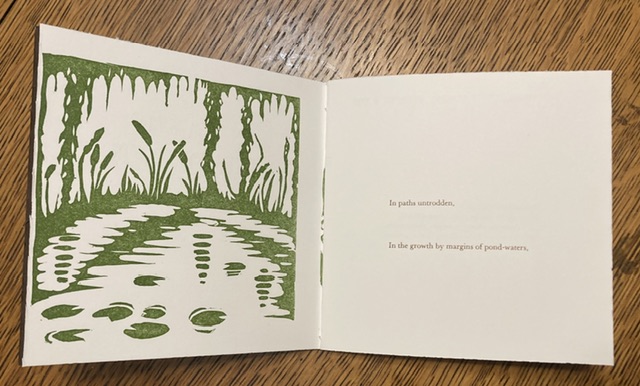
— Walt Whitman. In Paths Untrodden. Printed in brown ink, blockprint illustrations in green and blue. [16] pp. [The Letterpress at Oberlin, January 2025]. Edition of 217.
Calamus 1, from the 1860 Leaves of Grass, with blue herons and green marsh plants. [Gift of VH].

— — —

Hard Rain by Janwillem van de Wetering

A short note now up (in English) on the excellent and informative Dutch site

https://janwillemvandewetering.nl/favoriete-boek/

— — —

“not relics of the past, but pockets of the future arriving ahead of schedule”

— Christopher Brown, over at The Clearing (the blog of Little Toller Books)

— — —

“When I look at that obscure but gorgeous prose-composition, the Urn-burial, I seem to myself to look into a deep abyss, at the bottom of which are hid pearls and rich treasure ; or it is like a stately labyrinth of doubt and withering speculation, and I would invoke the spirit of the author to lead me through it.”

— Charles Lamb on Sir Thomas Browne, quoted by Hazlitt, in “Of Persons One Would Wish to Have Seen” (1826)

— — —

From Elfland to private property

There are two Elflands for me, the one that I can walk to, and the other one.

I prefer the Elfland that I can walk to. To paraphrase Wittgenstein and turn him upside down, Elfland is a labyrinth of paths. You approach from one side and no longer know your way about; you approach the same place from another side and you know your way about.

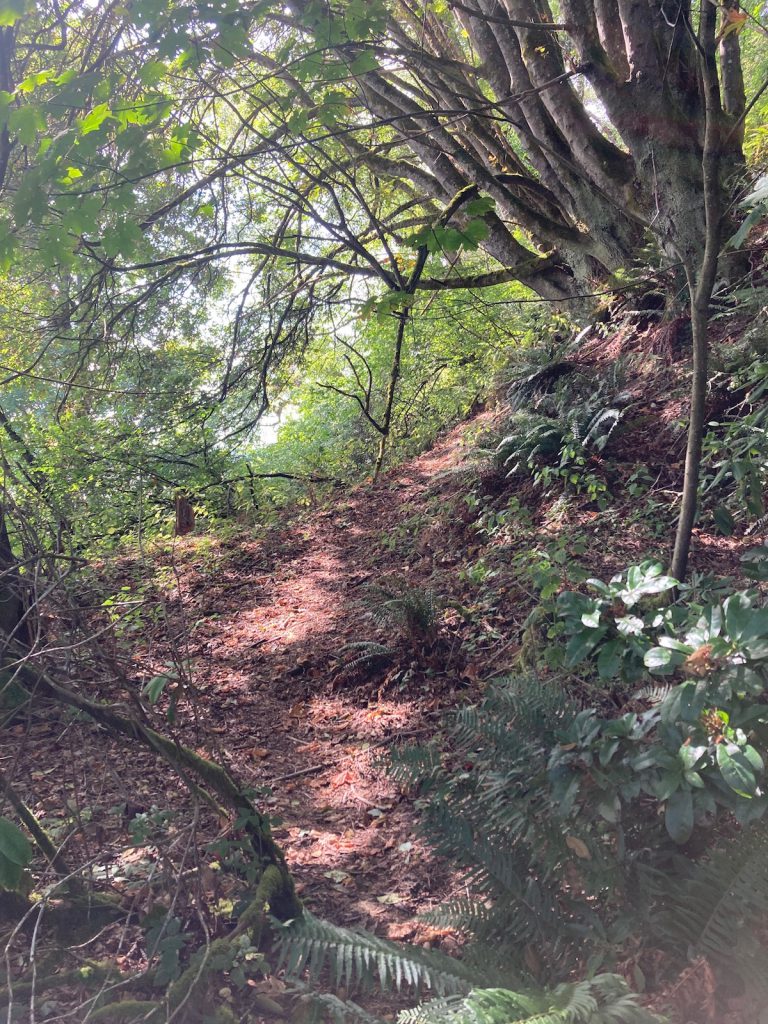
One follows a path that escaped notice when walking in the other direction. One, two, three steps, into the forest, up the hill, across a creek, or simply from sunlight to shade, and the border has been crossed. One breathes more easily, even if climbing a steep hill, and the main concerns are to look and listen. For others, I am sure the sense of smell is involved, but I have to rely on memory and other cues. I do remember, once, deep in the forest of Big Sur, the rich moist fragrance of the sequoias and all the leafwrack washing over me. The green of the moss, the play of leaf and shadow. One is there, for a few minutes, a sense of expectation but there is no goal, alertness the only aim.

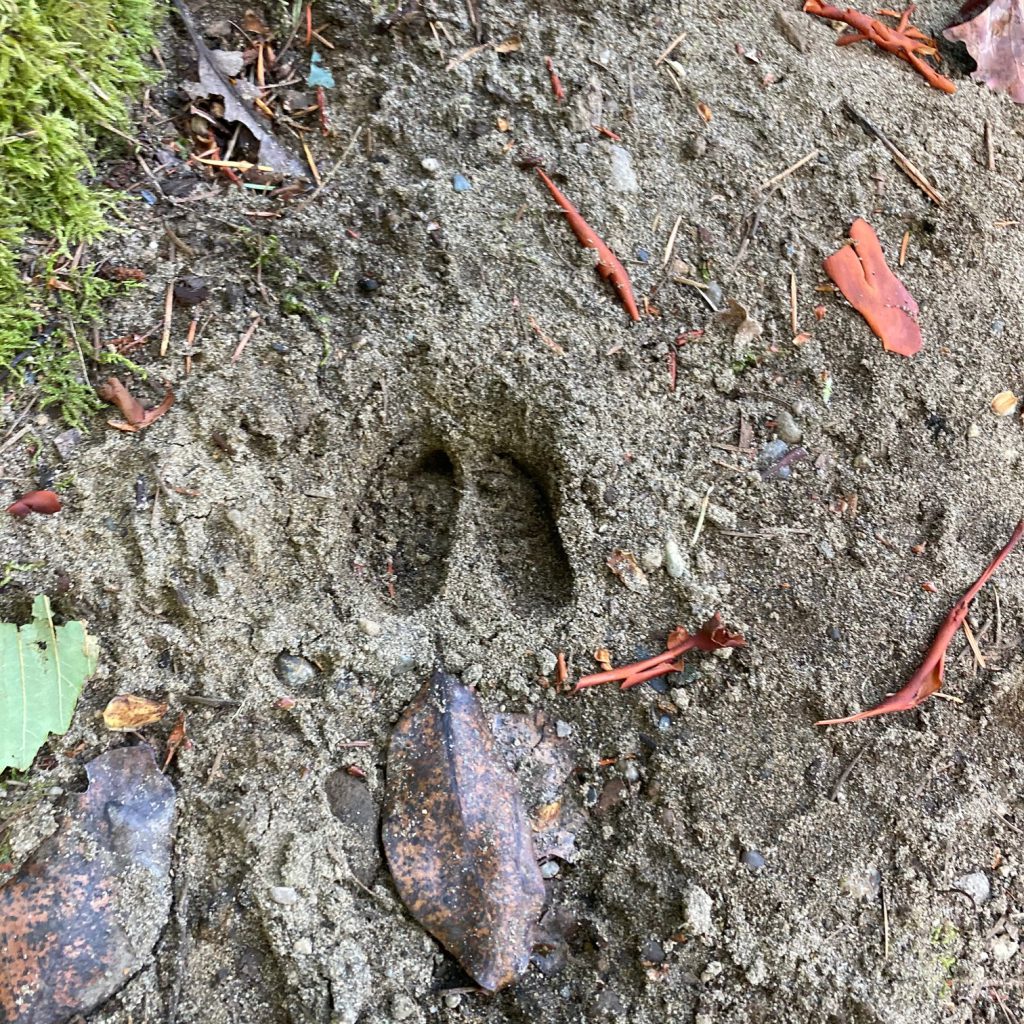
There are even maintained trails in Elfland, perhaps not so new, but steps and other buffers to erosion are sometimes seen along the way. The track of a buck in the center of the path, a rain dappled pad of a coyote in sand, and further up, fresher scat, also in the center of the path.

To walk and climb is enough. If the hill is steep, the switchbacks are frequent. A moment’s pause along the way, and that peculiar striated nut-like brown shape is in fact a compact slug. One moves on, up and up, turn and turn again.

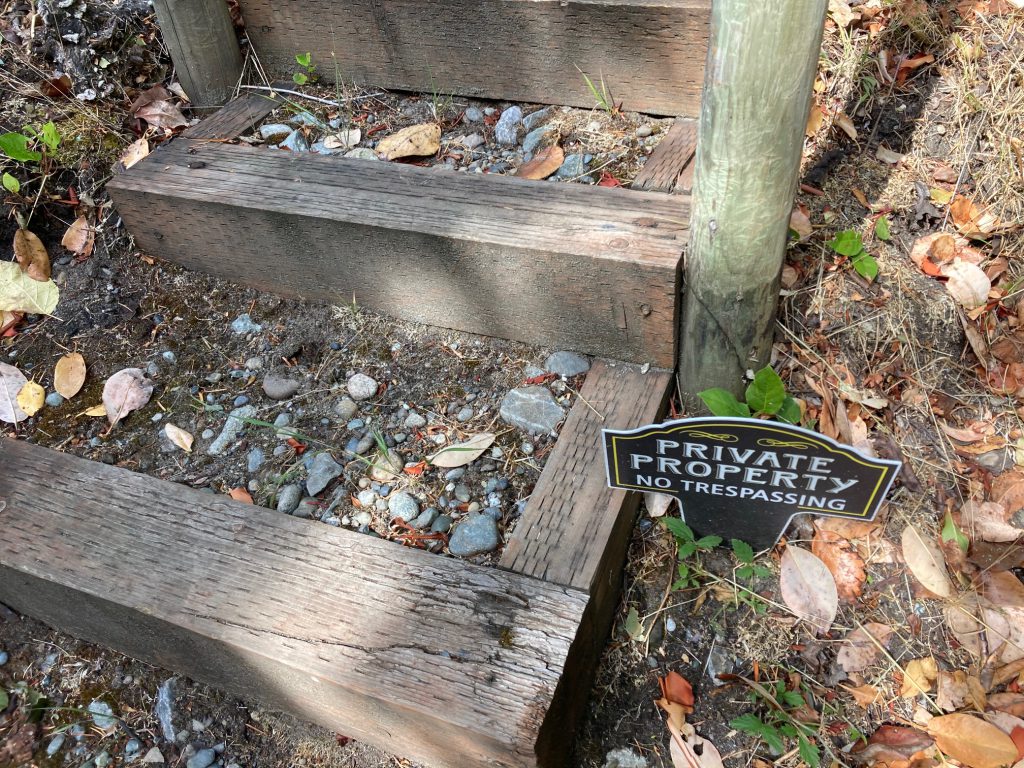
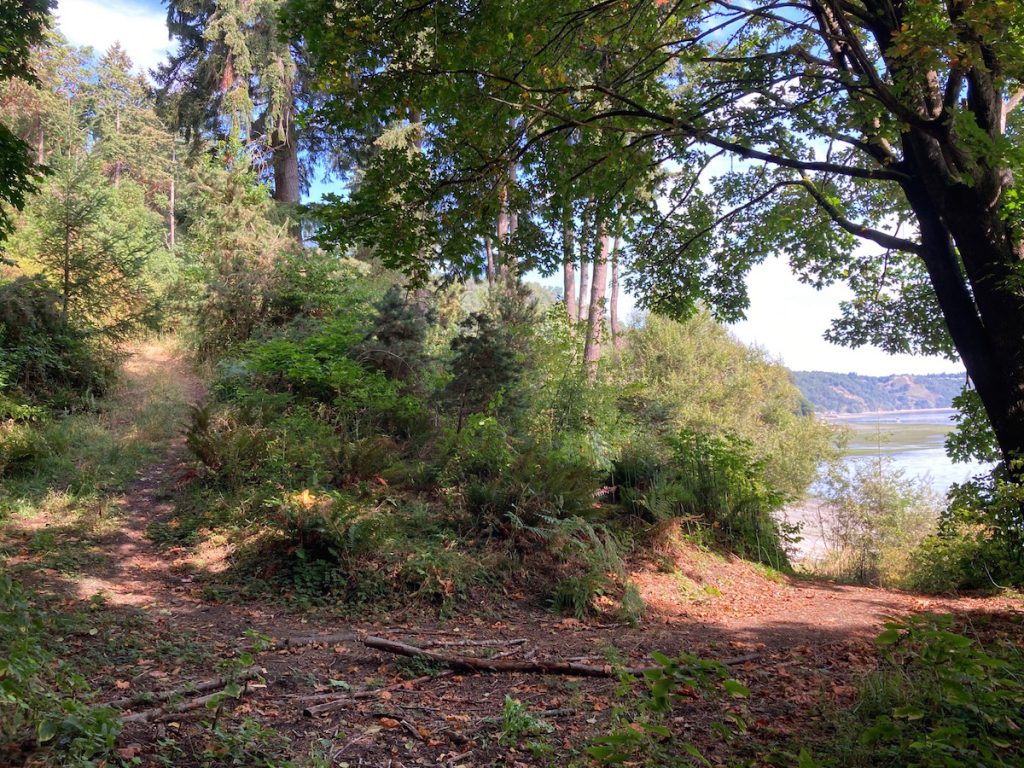
This morning’s walk to Elfland was a sudden glimpse of a path between trees on the return leg of an amble at low tide. I walked and climbed for fifteen minutes, up a trail to a sudden and well-tended wooden staircase and that most American sign, Private Property No Trespassing.

It does kinda change the moment. When I was a child, we were taught to sing Woody Guthrie’s “This Land is Your Land”, but not even at the Quaker woodland camp were we taught the verse about the relief office or this one:

As I went walking I saw a sign there
And on the sign it said “No Trespassing”
But on the other side it didn’t say nothing,
That side was made for you and me.
This land is your land, this land is my land,

This morning, constrained by time and tide, I did not walk up the staircase out of Elfland and into a different adventure (I can usually talk my way into and out of all sorts of places). So I turned back, and walked down through Elfland on a beautiful forest hillside, and returned to the fields we know.

There, at the other fork in the path, I turned and climbed up a broader path to trespass into a large levelled clearing in the high woods, an oval 150 paces in length overlooking the sound, a building site that never happened, perhaps, but now an informal dump or something. The other end of the American dream.