November commonplace book


the endless bookshelf

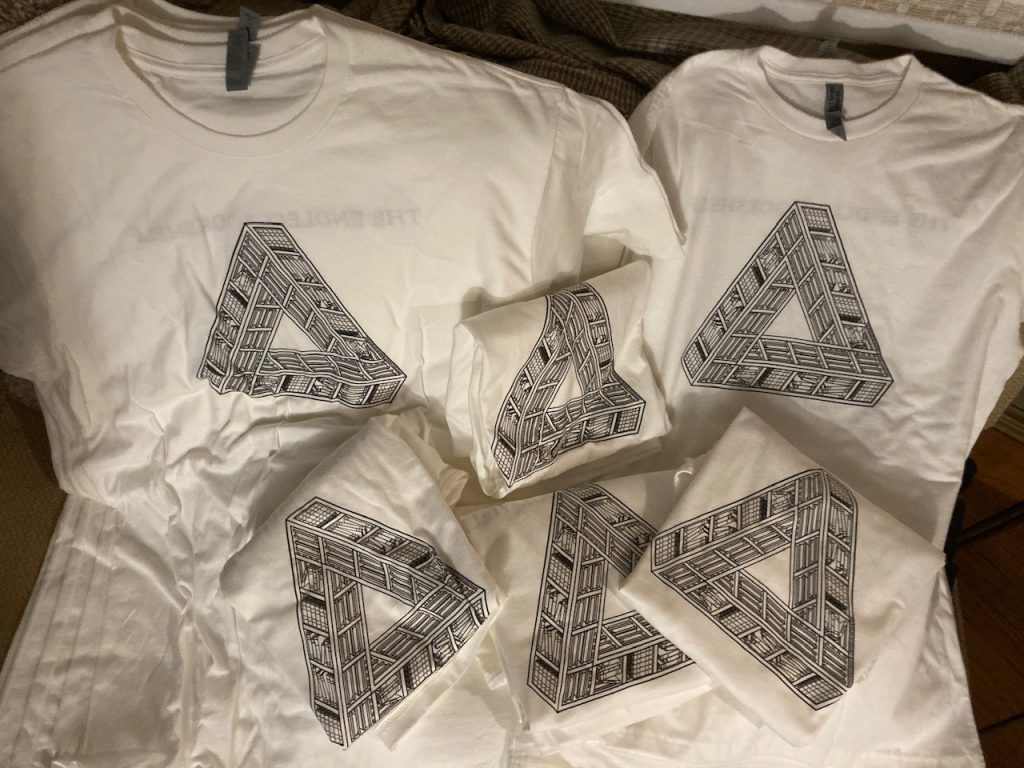
the Endless Bookshelf tee shirts with John Coulthart’s dizzying design are now printed (all advance orders have been mailed to subscribers of 20 November), order yours here.

— — —

recent reading :

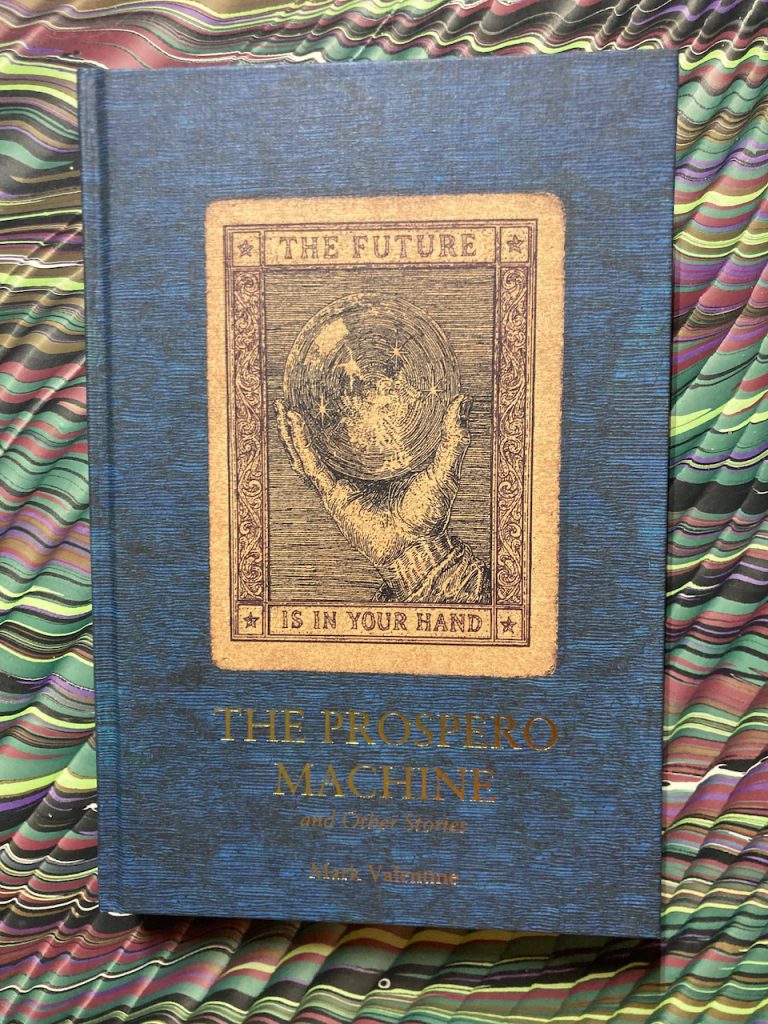
— Mark Valentine. The Prospero Machine and other stories. Tartarus Press, [2026].

— — —

‘Each new narrative becomes a modern legend’

Jesi Bender reviews Another green world in Exacting Clam 23 (Winter 2026)

— — —

pictures from an exhibition :

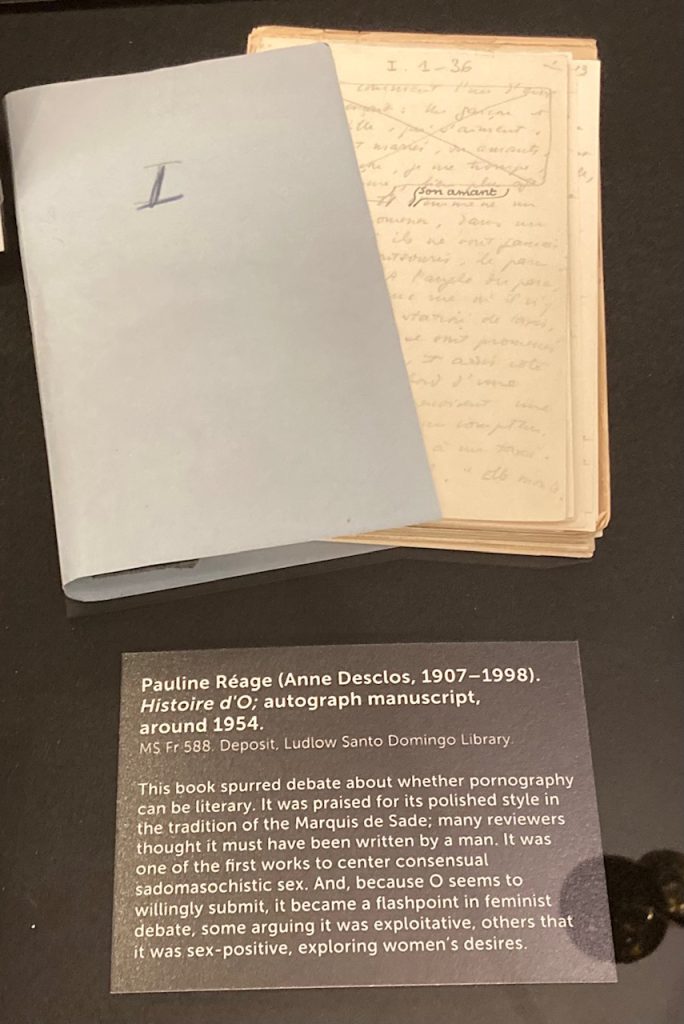
Original autograph manuscript of Histoire d’O, from the Ludlow Santo Domingo Library
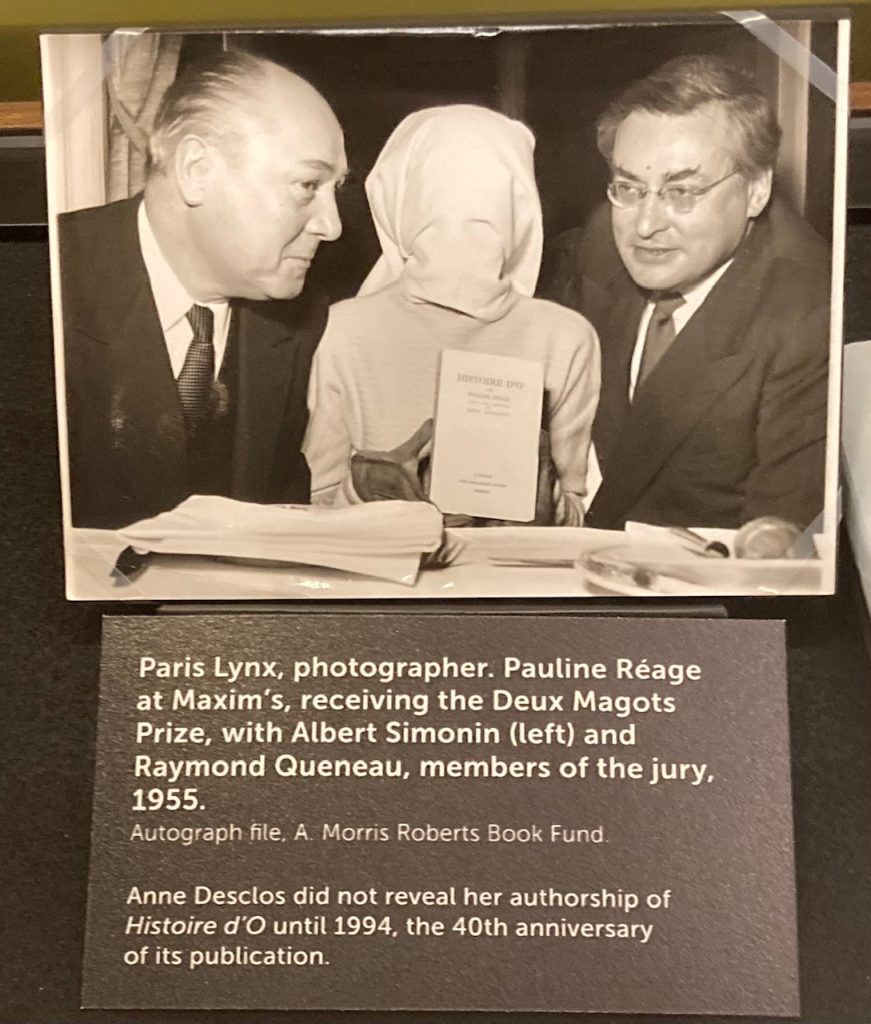
Paris Lynx, photographer. Pauline Réage masquée, prix Deux Magots à Maxim’s, 1955

— 50 Shades of Modern. Exhibition at the Houghton Library, Harvard, through 8 January 2027 (weekdays). Curated by Leslie Morris.

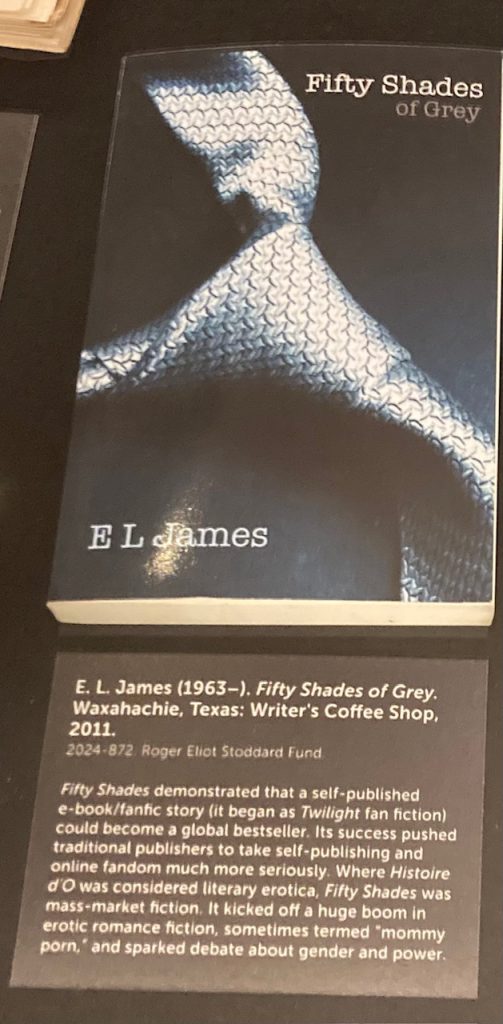
E.L. James, Fifty Shades of Grey

From the curator’s statement :

Seeking to provoke both “wow, what an amazing object” and “wow, I didn’t know Houghton collected stuff like that,” 50 Shades of Modern showcases just a few of the thousands of acquisitions Houghton’s Modern Books and Manuscripts Department has made over the past 20 years. Dating from 1800 to the present, these items show the continuities of institutional collecting ; initiatives supporting new directions in teaching and research ; and the generosity of the many donors who have helped make the collection what it is.

This is a good small exhibition, eight display cases of considerable density, and wall mounts of some choice visuals (original and reproductions).  The range of materials is fascinating (and provocative as intended), from the Gothic mode of fiction and the creole poetry of Mauritius (Les essais d’un bobre africain. Petit recueil de poésies, 1822) and the first novels by African Americans to the archives of Gore Vidal and Elizabeth Wurtzel (author of Prozac Nation) and the original autograph manuscript of Histoire d’O (!) and Kampfreime (1968), a sharp artefact of the German counterculture. The exhibition labels are succinct and well written and suggest connections across time and space.

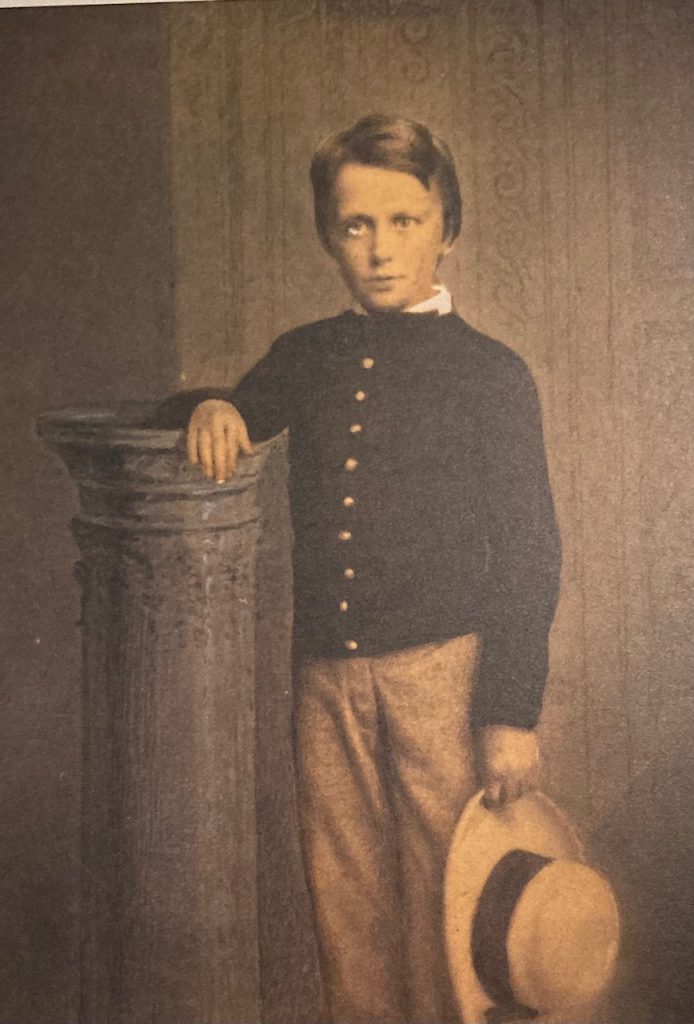
Henry James, Jr., ca. 1854

If you are in the Boston area, this exhibition will reward a visit.

October commonplace book

‘by synecdoche, meiosis, and metonymy’

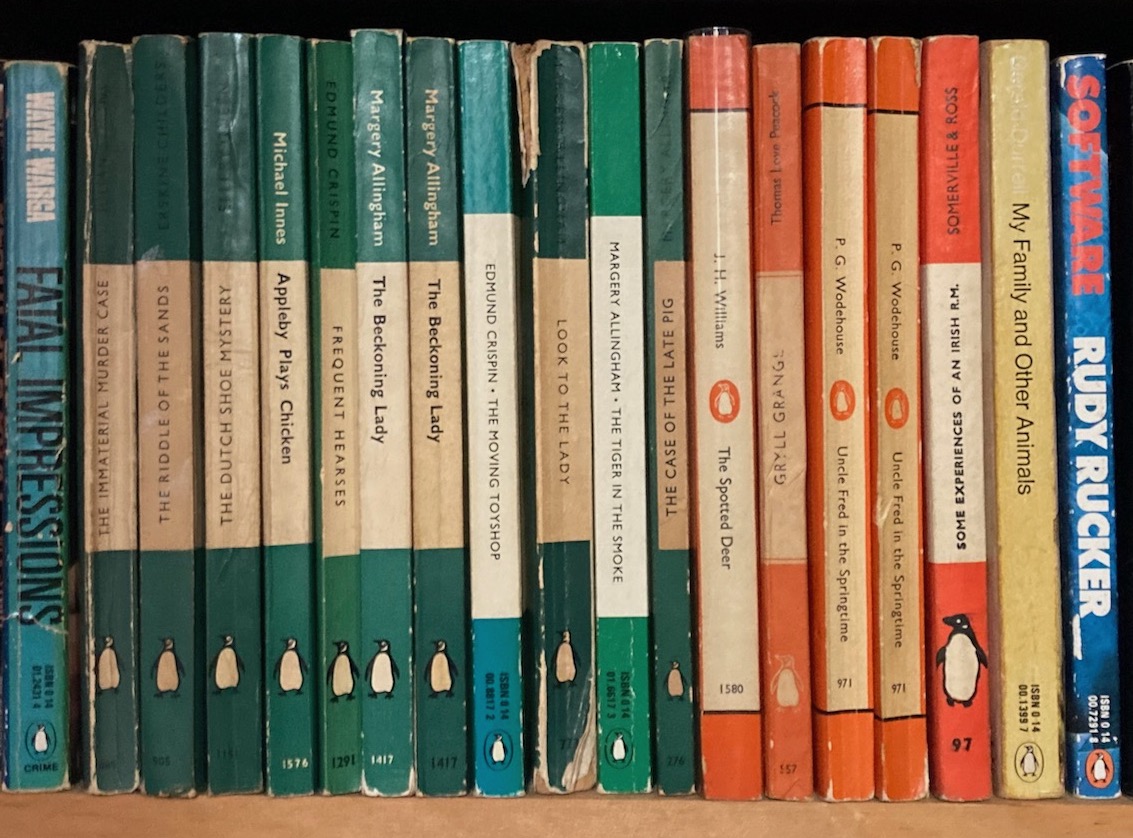
a small flock

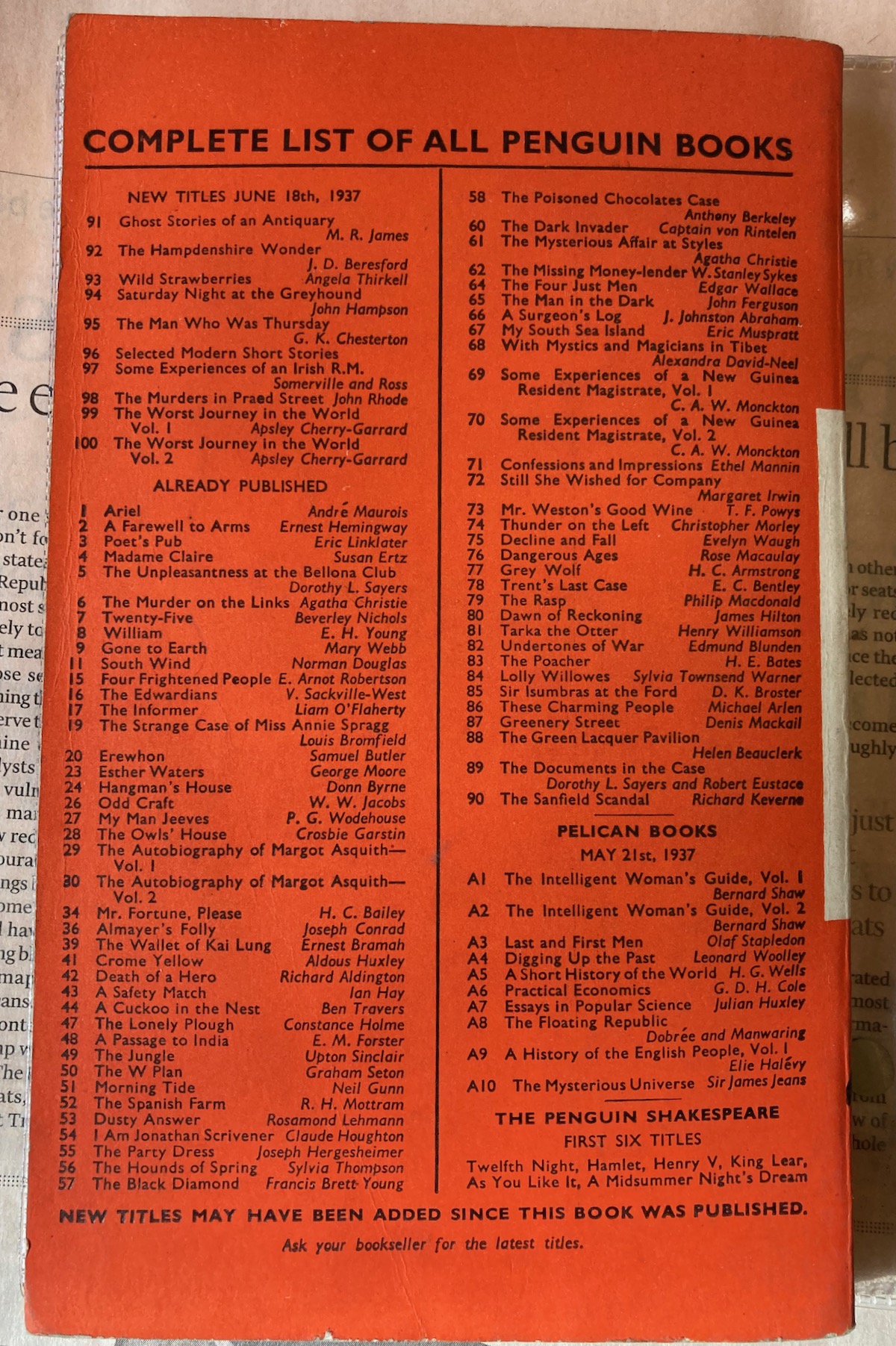
Complete List of All Penguin Books, 18 June 1937, from the back cover of no. 97 (Somerville & Ross).

Back cover of Somerville & Ross, Penguin 97. Note the mix of nonfiction and fiction. Stapledon a Pelican, Cherry-Garrard a Penguin. M.R. James takes a bow at the top.

— — —

current reading :

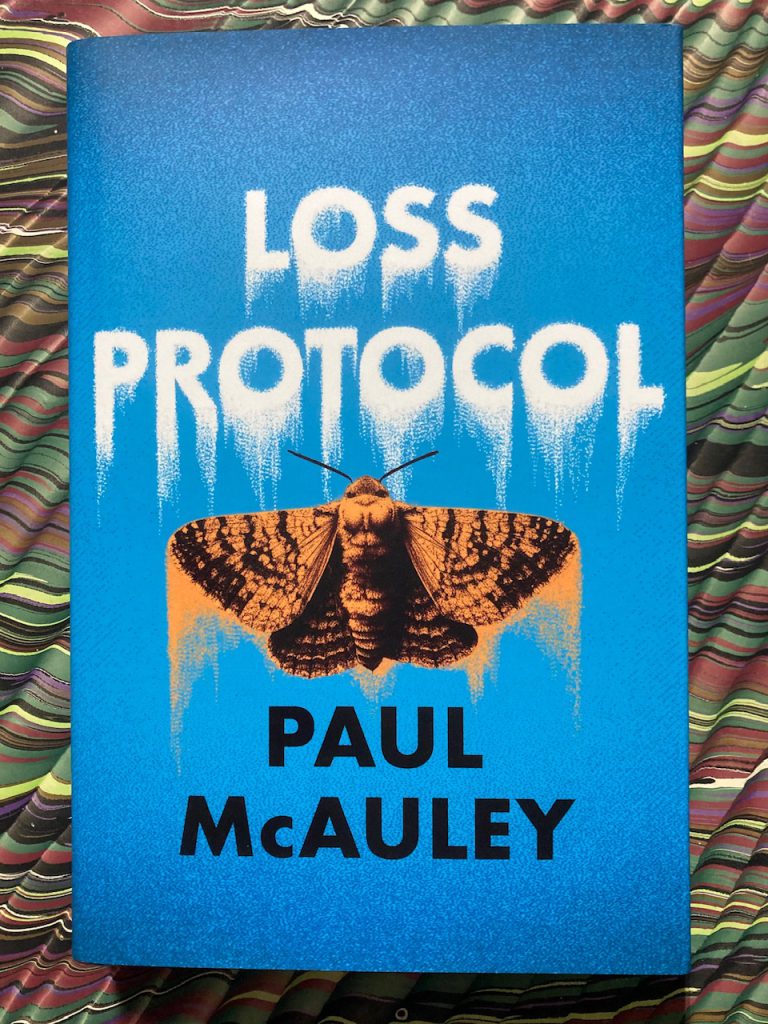
— Paul McAuley. Loss Protocol. Gollancz, [2026].
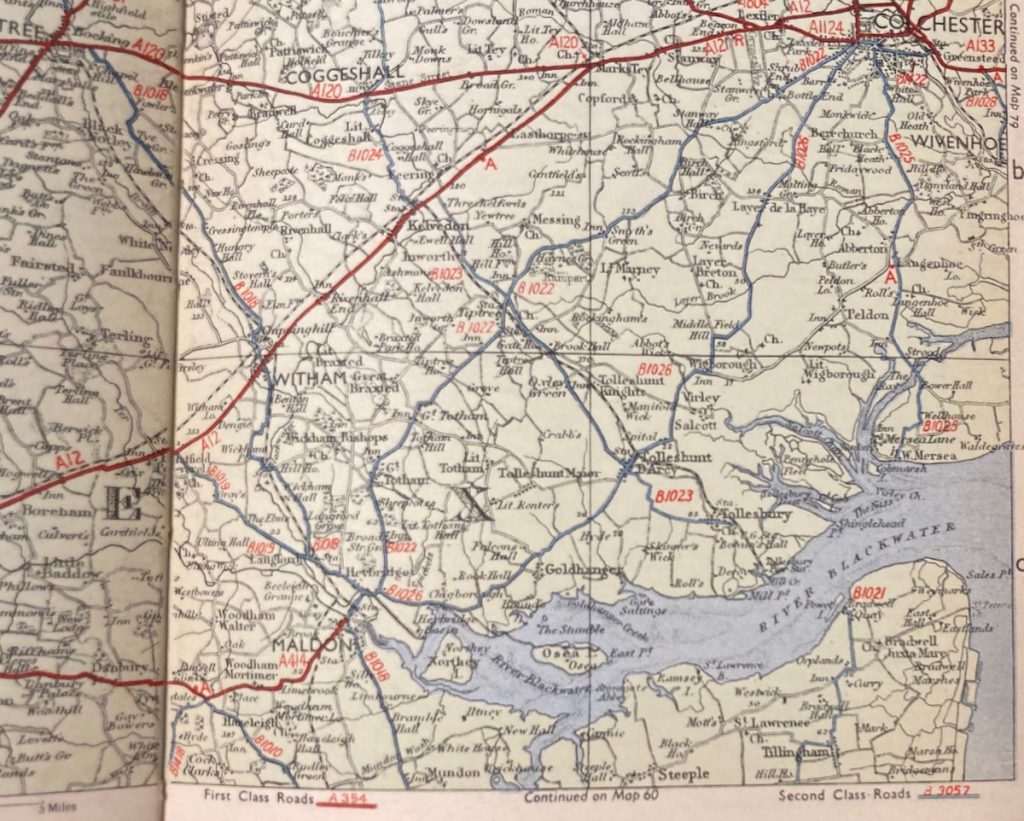
Near future novel of an England that seems almost familiar and yet the fundamentals have changed after political and climate shocks. Winters is warden of a nature reserve on the estuarine island of Cynsea, sociable enough but with his own reasons to seek solitude. McAuley is good at constructing alien worlds, never better ; and the deep dreamers, ecological activists whom government agencies would gladly classify as terrorists, are suitably creepy. I can’t find the island in my 1955 3 Miles to 1 Inch Road Atlas, but I know it’s there, somewhere downriver from Maldon.

(One afternoon twenty years ago I went cycling, along the peninsula between the Blackwater and the Crouch, through fields out to the primitive church of St. Peter at the sea.)
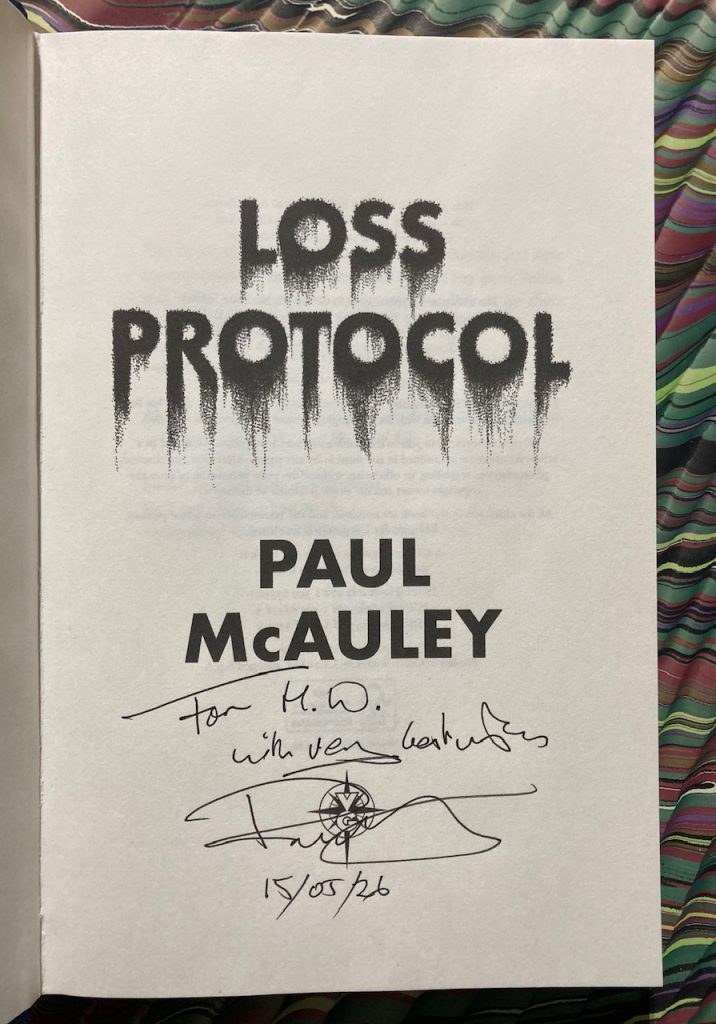
Books wait for the reader. I have had this since May but only now have I started in : not sure where this is going, happy to be going there.

— — —

My next book, forthcoming from Suntup Press (Fall ’27), is a new edition of two classic novellas by Arthur Machen, The Great God Pan & The White People, with an original essay as afterword. The book will be printed letterpress to the high standards of Suntup Press with original new illustrations, stone lithographs by Wales-based artist Flora McLachlan. The afterword will also include a reproduction of the original frontispiece by Machen’s friend Herbert Jones, intended for 1894 edition but never used by John Lane.  This is exciting news, the book will be beautiful !

https://suntup.press/the-great-god-pan-the-white-people/

N.B. The book sold out upon announcement (17 October).

— — —

I have been enjoying Now Voyager, a new illustrated journal presenting international topics and some unusual perspectives, already in its fourth issue https://www.nowvoyager.com

— — —

And it’s October, which means that Michael Swanwick is scattering the leaves of another dark tale, Autumn’s End, at his website

http://floggingbabel.blogspot.com/2026/10/autumns-end-part-1-of-31.html

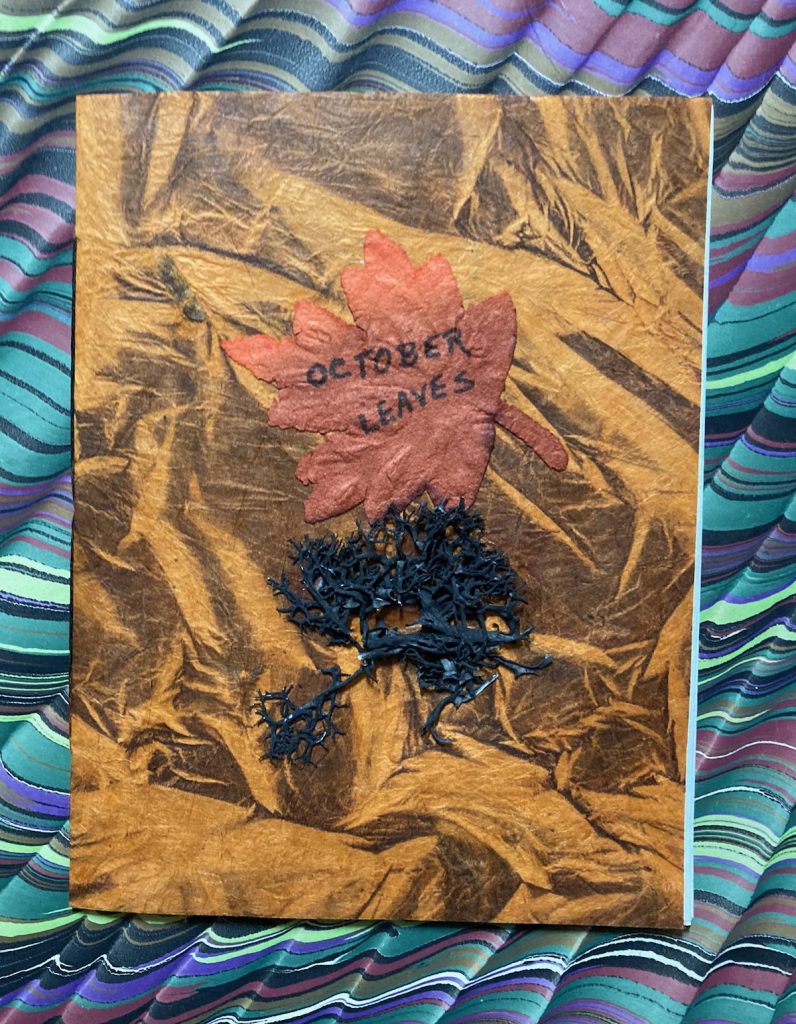
The other day, I received an envelope from Dragonstairs Press :

— Michael Swanwick. October Leaves [2010]. [Dragonstairs Press, 2026]. With a new afterword by the author. Edition of 48.

— — —

It’s October, and that means the the Boston Antiquarian Book Fair will be upon us before long : Friday 6 through Sunday 8 November at the Hynes Convention Center, 900 Boylston Street. Your correspondent will be in booth 413 (Cummins), so come say hello. And drop me a note if you would like a pass.

— — —

recent reading :

— Margery Allingham. The Case of the Late Pig [1937]. Penguin Books, [3rd ptg, 1957].

— Charles  Olson. Call Me Ishmael. A Study of Herman Melville [1947]. City Lights, [n.d., ca. 1968].
Amazing book ! A poet’s intense account of climbing the pinnacle of nineteenth-century American prose fiction. Rigorous and visionary and compelling.

— Charles Lamb. The Essay of Elia. With an Introduction by Augustine Birrell. Dent/Scribners, 1911.
Re-reading a few, for pleasure.

— Christopher Morley. Parnassus on Wheels. Garden City, New York : Doubleday, Page, 1917.
A whimsical classic of the used book trade, a tale of itinerant bookseller Mr. Mifflin and his horse-drawn bookshop, and how the sister of a distinguished author makes a snap decision to leave the farm and go on the open road as a bookseller. (There is a whisper of that brief chapter in The Wind in the Willows where, between boating and motor cars, Mr. Toad takes up a canary yellow horse caravan.) With a practical demonstration of the bookseller’s cost code system, with purchase prices in cents ! A nostalgic picture of a vanished world.

How I spent my summer vacation / 2026

I. A few postcards from my recent trip to Geneva with the A.I.B.

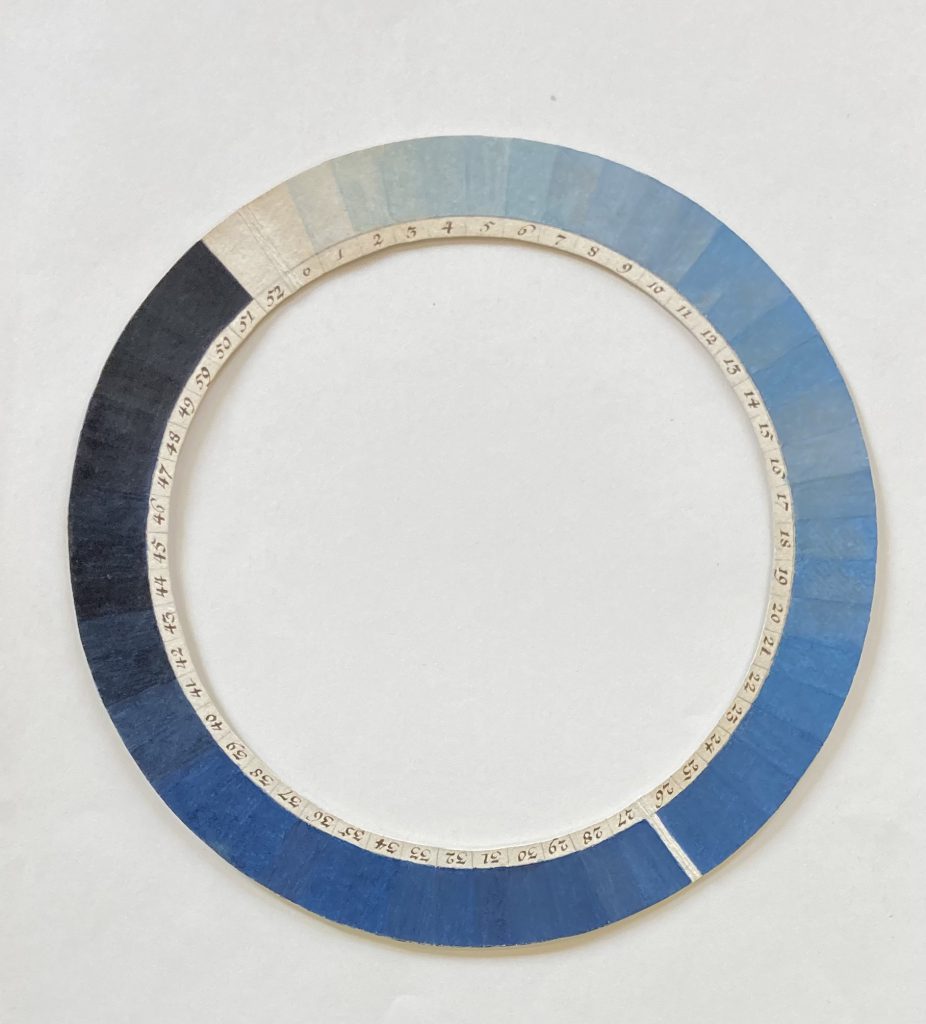
— H.B. de Saussure, Cyanomètre, ca. 1788. Bibliothèque de Genève.

— — —

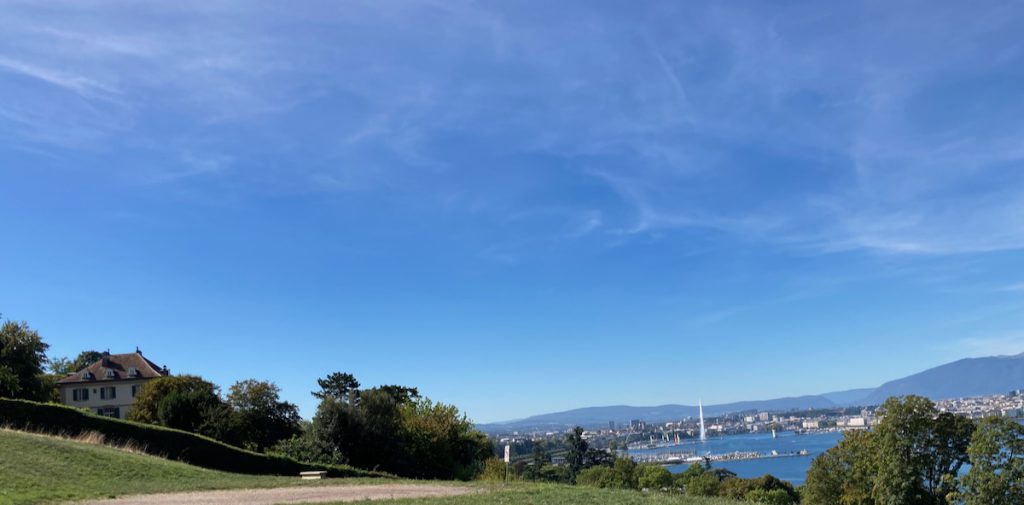
A glimpse of the Villa Diodati, on the other side of the fence from the Parc Byron, Cologny (Geneva in the distance).

— — —

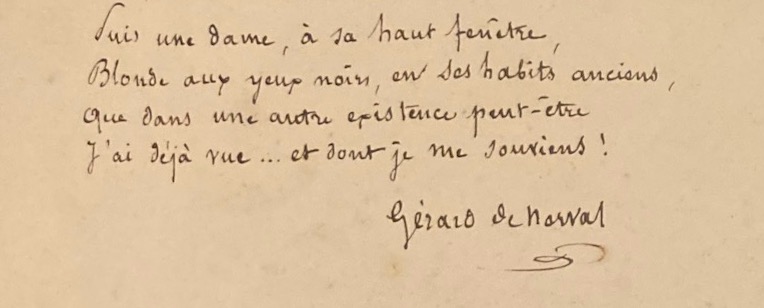
Gérard de Nerval. Autograph manuscript poem, [Fantaisie], after 1842. The last quatrain. [Private collection.]

— — —

The approach to the Château d’Oron.

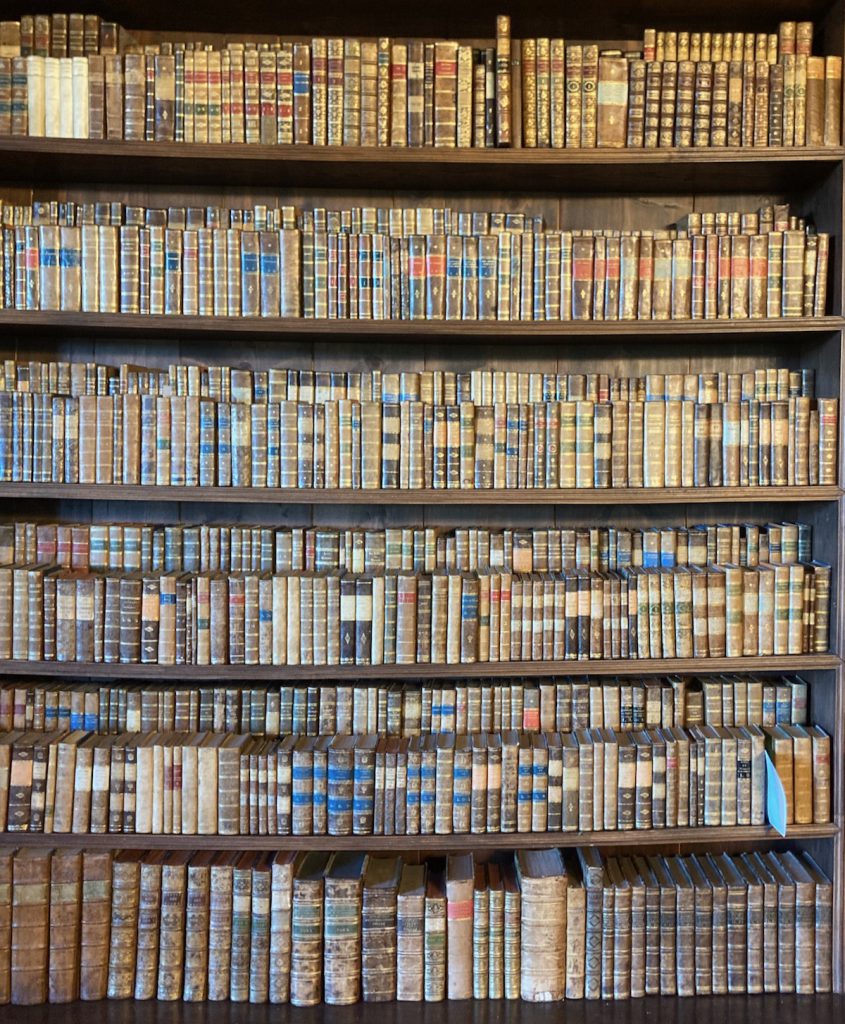
Some of the library shelves at the Château d’Oron : a large room filled with late eighteenth-century popular literature and other books, all in impeccable original condition.

— — —

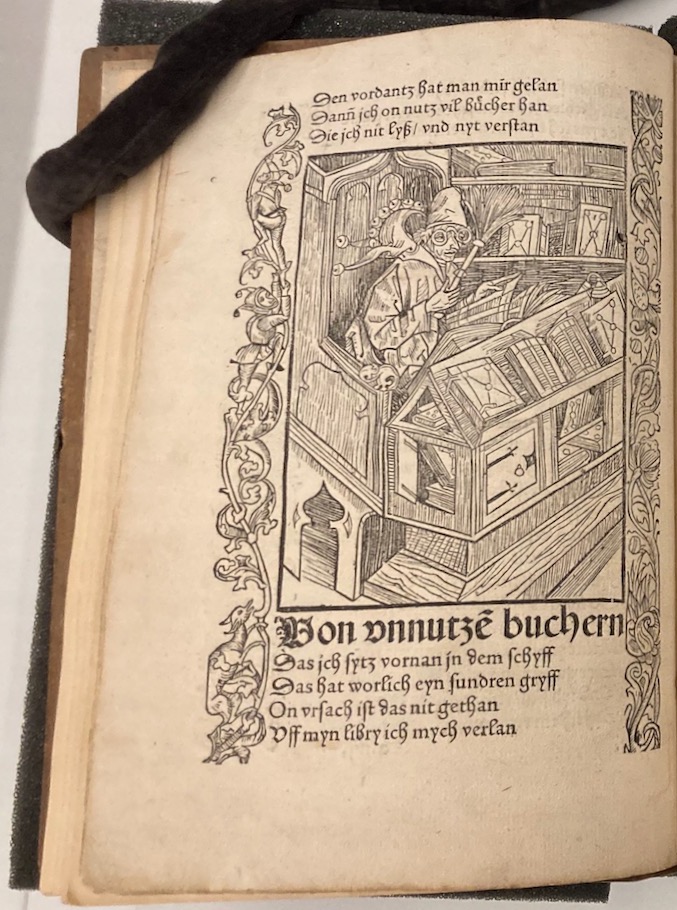
The original book-fool.

Von buechern hab ich grossen hort
Verstand doch drynn gar wenig wort

— Sebastian Brant. Das Narrenschiff. Basel, 1494. Bibliothèque cantonale et universitaire, Fribourg.

— — —

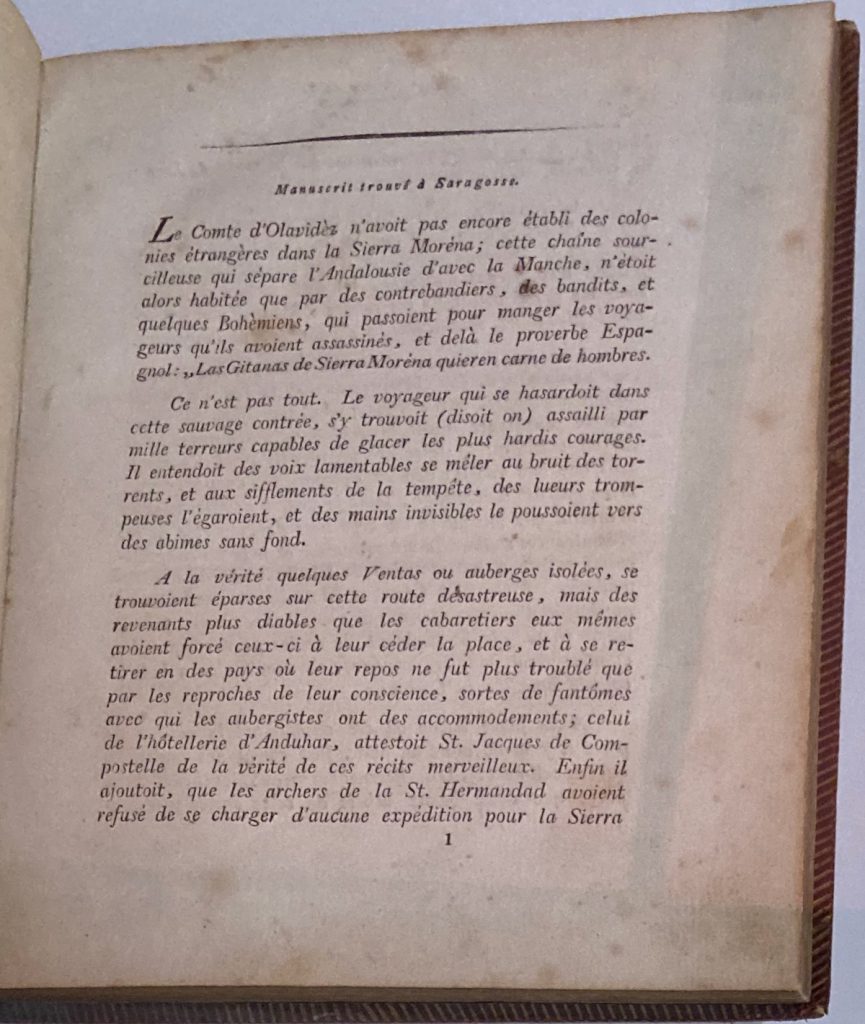
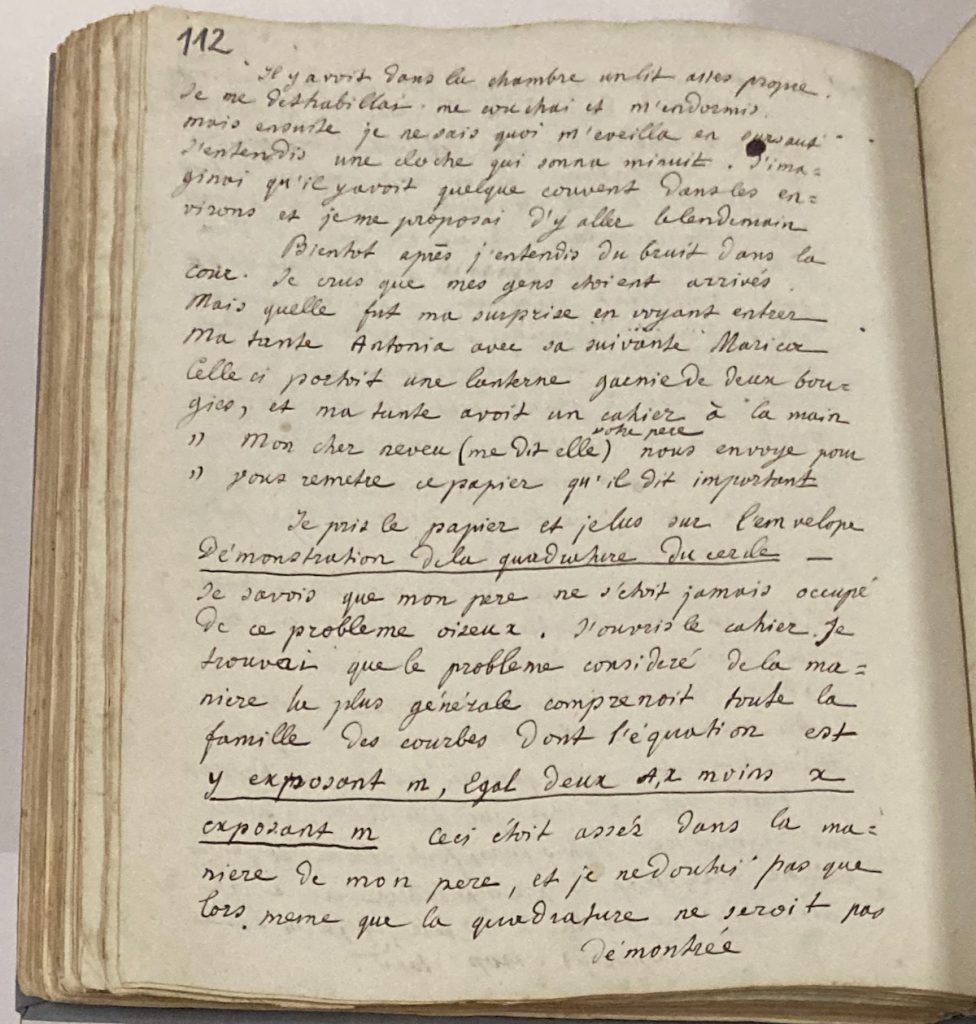
Glimpses from the exhibition, Manuscrit trouvé à Saragosse. Enquête su un roman-monde, curated by François Rosset [at the Fondation Jan Michalski, Montricher, through mid-February, 2027].

— Jan Potocki. Manuscrit trouvé à Saragosse. St. Petersburg, 1805. One of three surviving copies of the first printing (the first decameron of the book).

— Jan Potocki. Manuscrit trouvé à Saragosse. Manuscript page (from the version of 1810).

— — —

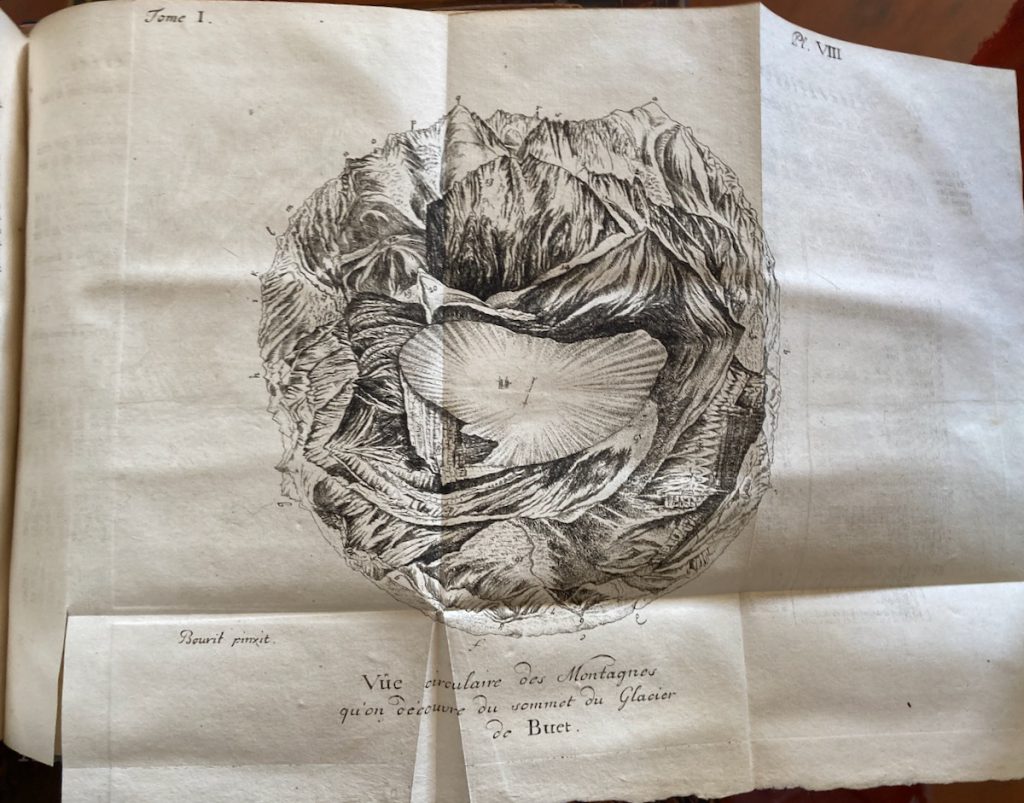
H.B. de Saussure, Voyages, dans les, Alpes, 1779. Plate VIII, the view from the summit of the glacier. [Private collection.]

— — —

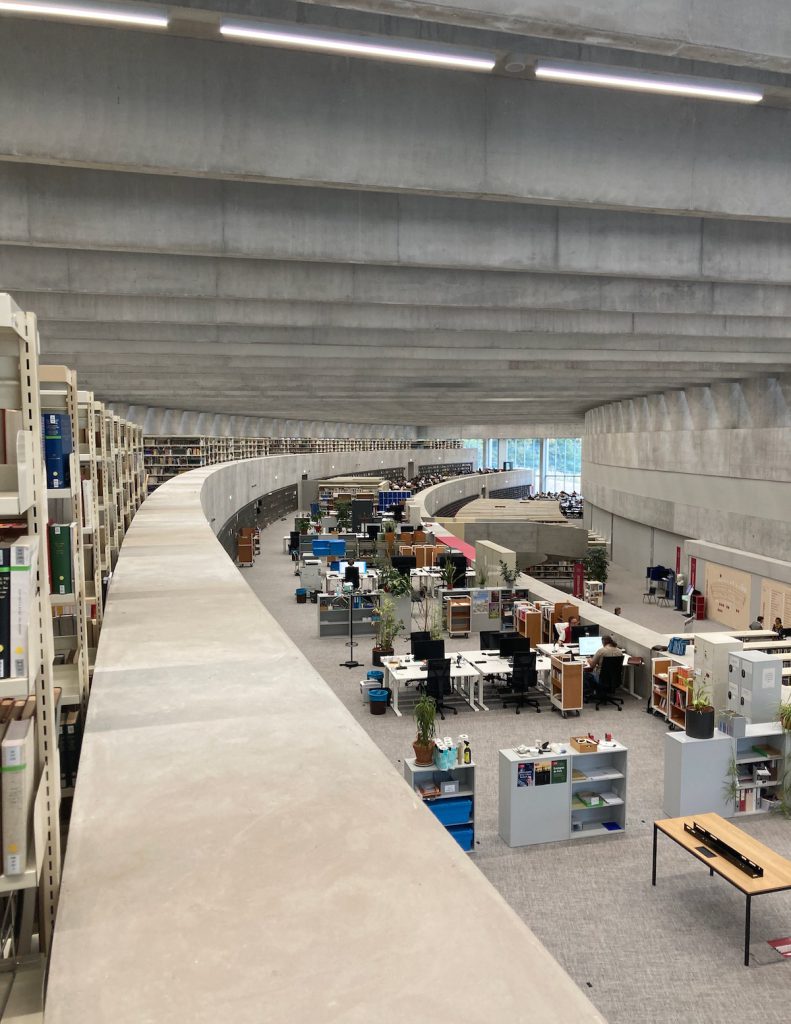
Bibliothèque cantonale et universitaire, Lausanne. [The library of the twenty-first century, still under construction.]

— — —

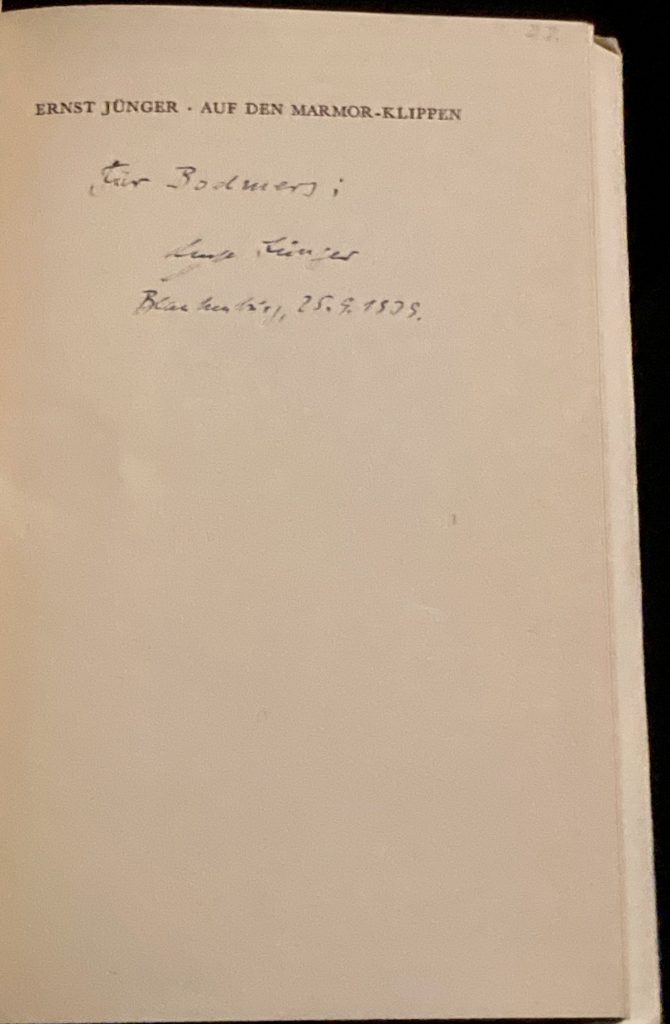
Inscribed

— Ernst Jünger. Auf den Marmorklippen. Inscribed to Martin Bodmer, 25 September 1939. Fondation Martin Bodmer. [Snapshot under minimal light.]

— — —

precocious children

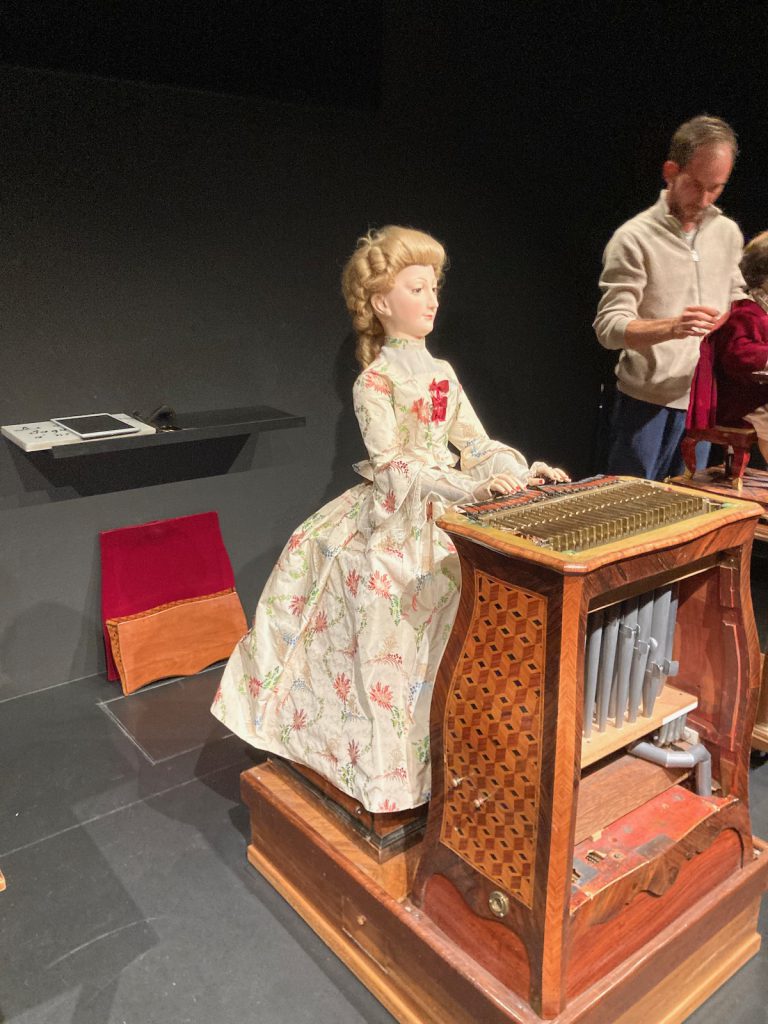
La Musicienne, Musée d’art et d’histoire, Neuchâtel. One of three surviving programmable automata constructed by Pierre Jaquet-Droz and his son between 1768 and 1774. These were exhibited at the Spanish court and elsewhere in Europe as sales tools for the firm’s watches and clocks. The museum curator who maintains and operates stands behind l’Écrivain (the writer). The uncanny valley starts here.

— — —

One the great delights of the trip was to see the original autograph manuscripts of Jean-Jacques Rousseau’s Reveries du promeneur solitaire in the Rosseau archives at the Bibliothèque de Neuchâtel, together with some of his autograph notes written on playing cards. Not one of my pictures, however, is in proper focus. Alas.

— — —

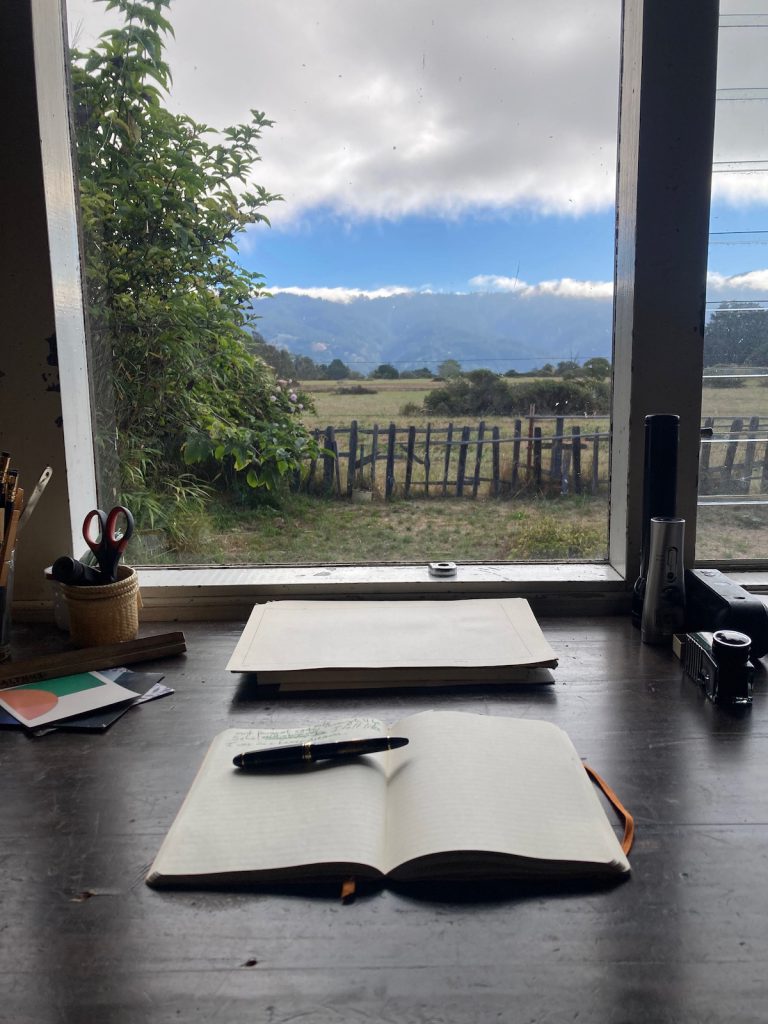
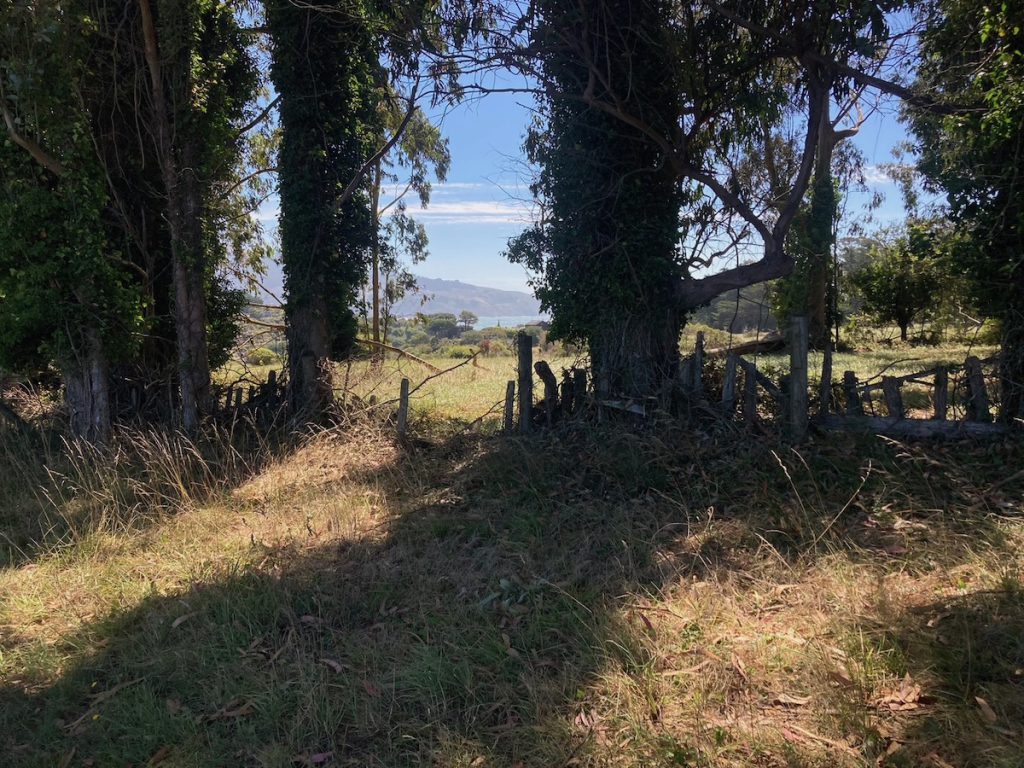
II. The earlier part of my vacation was spent in an undisclosed location, writing, and walking.

the view from the desk

the view from one morning’s walk.

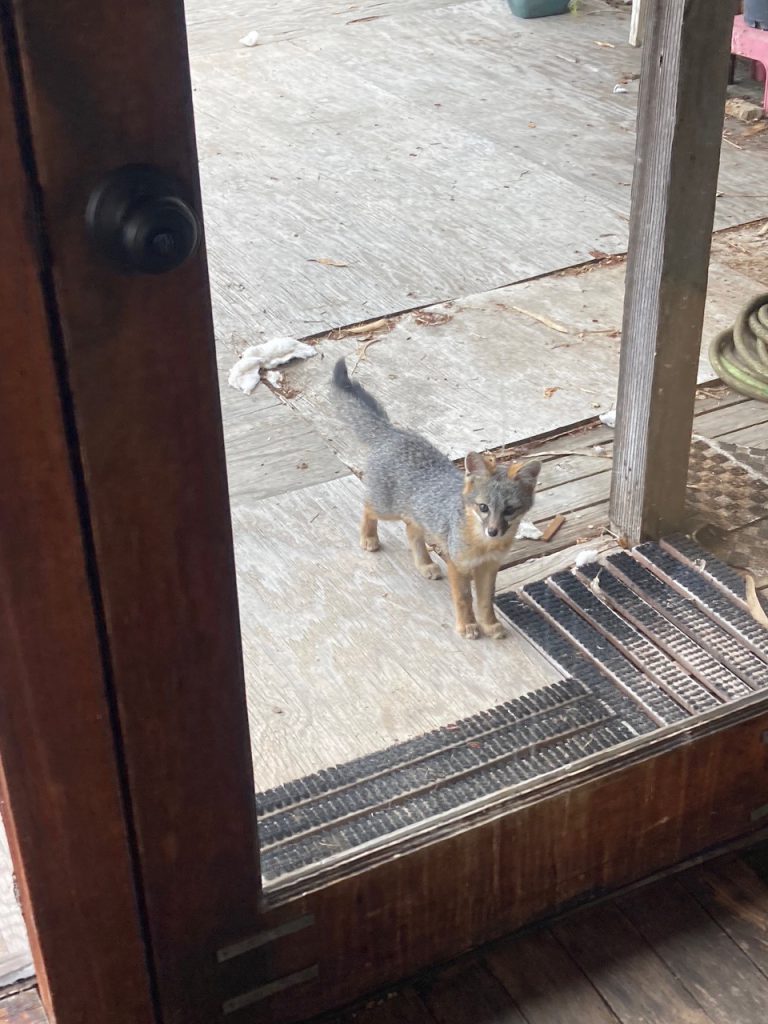
My nearest neighbors were a family of grey foxes : a vixen and at least four kits, and sometimes the dog-fox, too  (I could never get everyone into a single frame).

— — —

recent reading : early september

current reading :

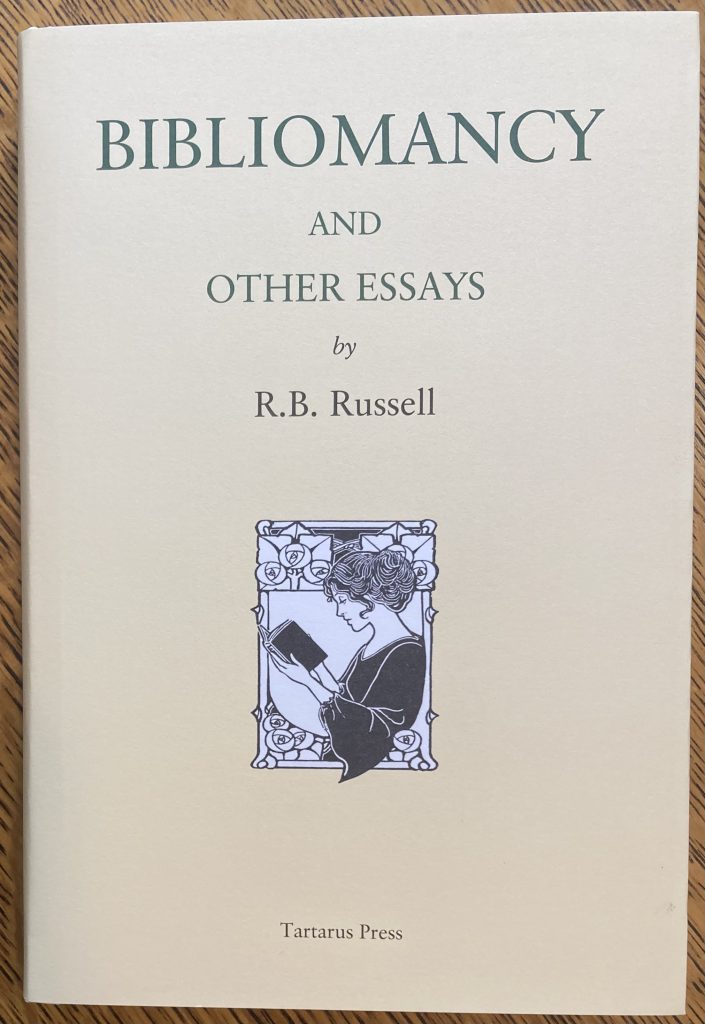
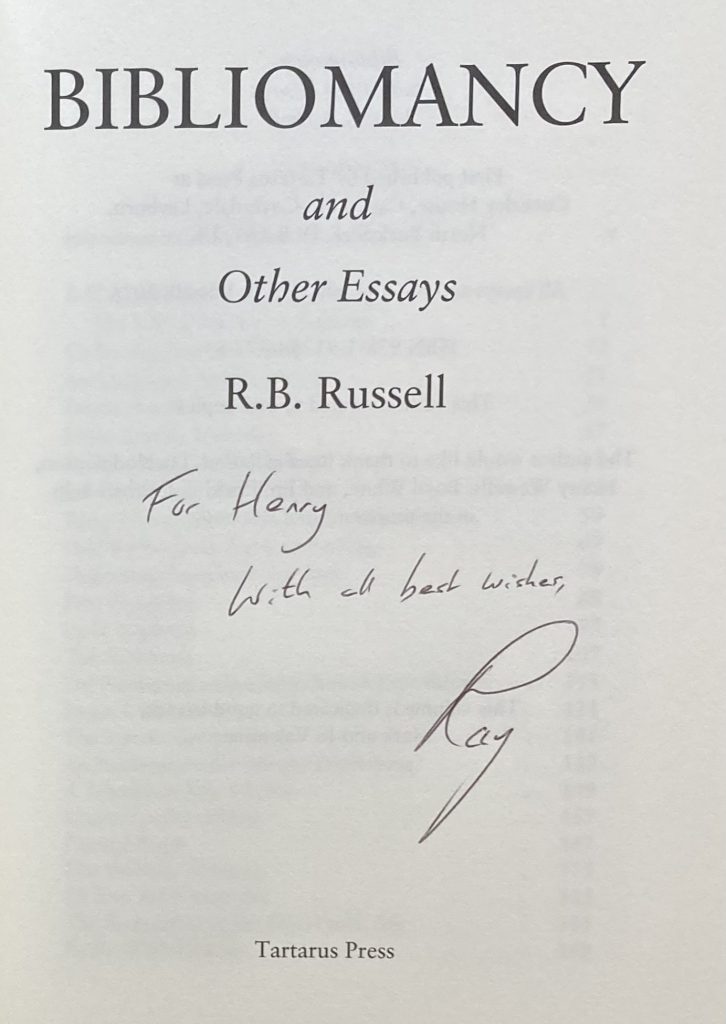
— R. B. Russell. Bibliomancy and Other Essays. Illustrated. [xii], 369 pp. Tartarus Press, [2026].
Collection of essays and reminiscences about books and writers and collecting, including Arthur Machen, Robert Aickman, the Sarban papers, on publishing the first edition of a work by Charlotte Brontë, and Barry Humphries.

— — —

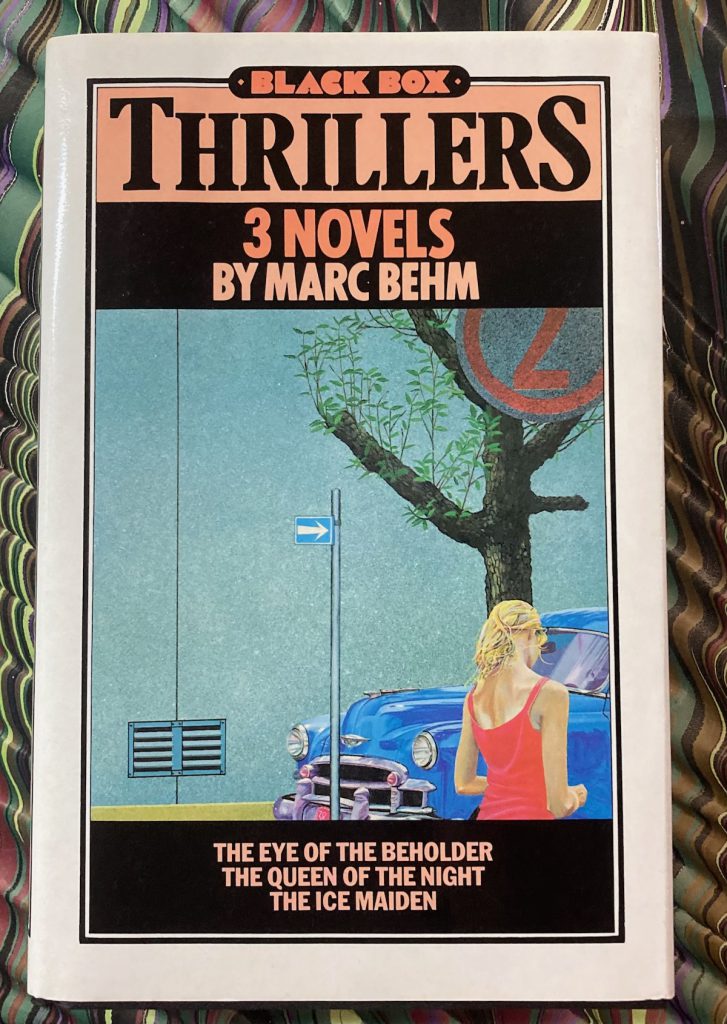
—Mark Behm. The Eye of the Beholder. The Queen of the Night. The Ice Maiden. Zomba Books, [1983]. A Black Box Thriller.
The Ice Maiden is an inventive twist on the vampire novel, enacting a hilarious collision of Old World tropes (and the Anne Rice novels) with the exigencies of the American economic system. Gangsters, vampires, religious fanatics, history infodumps, and greed ! The Zomba Black Box books were good stuff in the early 1980s revival of American noir : I had several (Jim Thompson, Horace McCoy, Fredric Brown, and Cornell Woolrich), but hadn’t seen the Marc Behm collection until now. The first two novels were published in 1980 and 1977 ; this is the first (and perhaps only) publication of The Ice Maiden. The proofreading and copy editing are sloppy, but the action never lets up.

— — —

recent reading :

— Larry McMurtry. Walter Benjamin at the Dairy Queen. Reflections at Sixty and Beyond. Simon and Schuster, [1999].

But the problem with reading lists, even one as intelligent as Cyril Connolly’s The Modern Movement, is that they are all in a sense dead letters, guides for the unadventurous, those without the time or the ambition to hunt around and make discoveries for themselves. The great readers will always know about books that neither the marketplace nor the academy has got around to.

McMurtry, novelist and screenwriter whose writing career was sustained by his other life as book scout and antiquarian bookman, here expresses ever so clearly the unvoiced contempt some booksellers have for their customers. In 1999, McMurtry opened Booked Up in Archer City, Texas. It was his book town, a contrarian and rearguard enterprise in defiance of the internet that endured for several years. I have few regrets, but one of them is that I never made it to Archer City, or to the auction when the books were dispersed. This is the punchiest of his memoirs.

——. Books. A Memoir. Simon and Schuster, [2008].
——. Literary Life. A Second Memoir. Simon and Schuster, [2009].
——. Hollywood. A Third Memoir. Simon and Schuster, [2010].

These three entertaining memoirs cover some of the same ground as the earlier book, in chapters short enough to be aphorisms, and there is some inevitable tangling when the lines of his life refuse to conform with categories (and some repetition). McMurtry’s forebears were cattle ranchers ; his clear-eyed recognition of himself as a rancher of words and books is an excellent metaphor.

— J. I. M. Stewart. My Aunt Christina and other stories. Gollancz, 1983.
Collection of stories, several with academic settings, by scholar and author Stewart, whose highly accomplished Appleby novels appeared under his pseudonym Michael Innes. “The Doctor’s Son” is savage about academic politics; and “Variations on a Theme of Oscar Wilde’s” considers a painter whose works capture events in the future.

— George Sims. The Terrible Door. The Bodley Head, [1964].
An engaging novel of death and the antiquarian bookseller, with plot devices suggestive of the trade in Baron Corvo. The death is an antiquarian bookseller run down by a motorcycle in suspicious circumstances ; his inventory (some letters he once owned) is, for a time, the plot engine. Sims was a very good writer.

—Robert Jackson Bennett. The Tainted Cup. Shadow of the Leviathan : Book 1 [2024]. Del Rey paperback.
An eccentric genius criminal investigator in a fantasy world of Imperial hierarchies and body modifications : the murder has ramifications into the corridors of power.

news & notes, late May & early June

news & notes

the view from the hammock

— — —

— Michael Swanwick. Basil, Pepper, Salt, and Garlic Greens : A Year in a Witch’s Kitchen. Dragonstairs Press, 2026. Edition of 80.
A cheery mediaeval fantasy of “Auld Agnes” (twice a widow and not yet thirty) and celebration of the seasonal bounty of the land,  a novel in miniature that swiftly turns very dark.
——. Twenty-Three Reasons to Attend ICFA. Dragonstairs Press, 2026. Edition of 40.
A brief history of the convivial gathering that is the International Conference on the Fantastic in the Arts, issued to mark the 47th iteration.

— — —

IX XI. A documentary by Sean Wilsey.

I caught one of the screenings of IX XI in its premiere at the Tribeca film festival. I was impressed by the collage of small moments to tell a big story ; the events of 11 September 2001 in New York City are one of the defining events in my lifetime. The film is built upon interviews with a dozen people “from all walks of life”, including some fabulous cameos, and good archival moments. I especially dug the footage of skateboarding the plaza, and the art on the beach segments from earliest days of the World Trade Center. Director Sean Wilsey is a good listener. Roz Chast is every bit as compelling in her tales of parental anxiety as in her cartoons. The TV cameraman communicated his impulse to get right down there and interview people on the spot : the dread and the excitement are equally palpable. And his memory of waking the next day with concrete tears in the corners of his eyes was moving. There were even some laughs. In the Q&A after the film, Wilsey noted that his own account of his experiences on the day was the first to be cut. The interviews are recorded (without any prompts or questions) in a set that alludes to Yamazaki’s soaring façades and to rippling waters of memory and memorial pools. The film is limited to the days before and the day itself, no politics or exploration of aftermaths, an intention, and a choice, I can respect.

— — —

current reading :
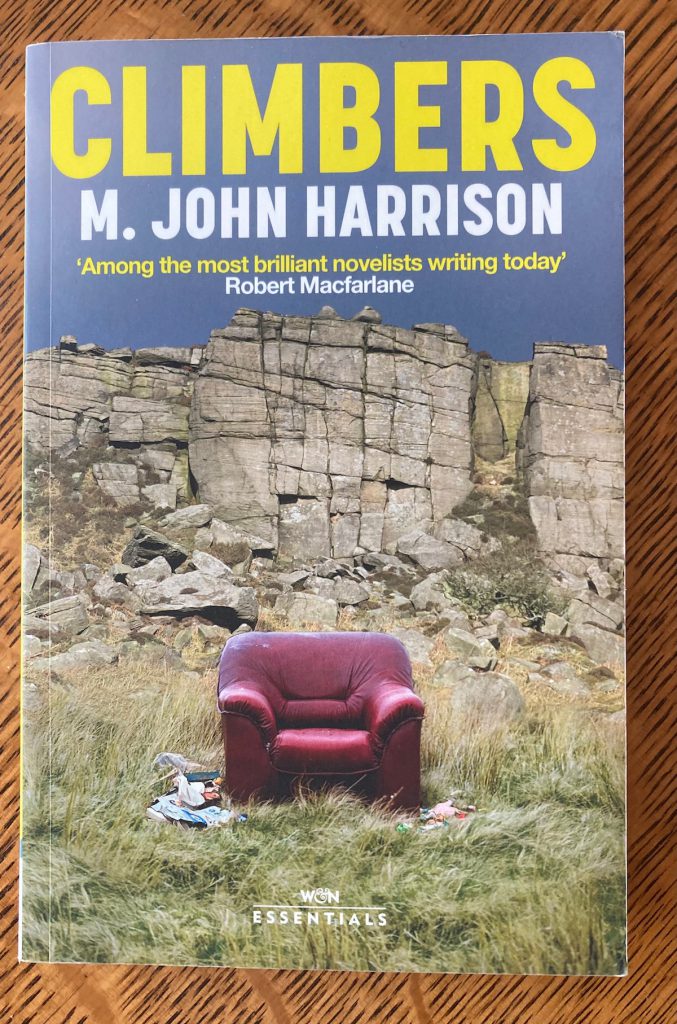
— M. John Harrison. Climbers [1989]. W&N Essentials, [2022, 7th printing].
Somehow I had never read this wonderful book. If one of the characters appears to suffer from “a kind of nostalgia, but for a place you’ve never been”, Harrison’s tricky prose reads like a memoir of events that never happened and it is no less true for that.

— — —
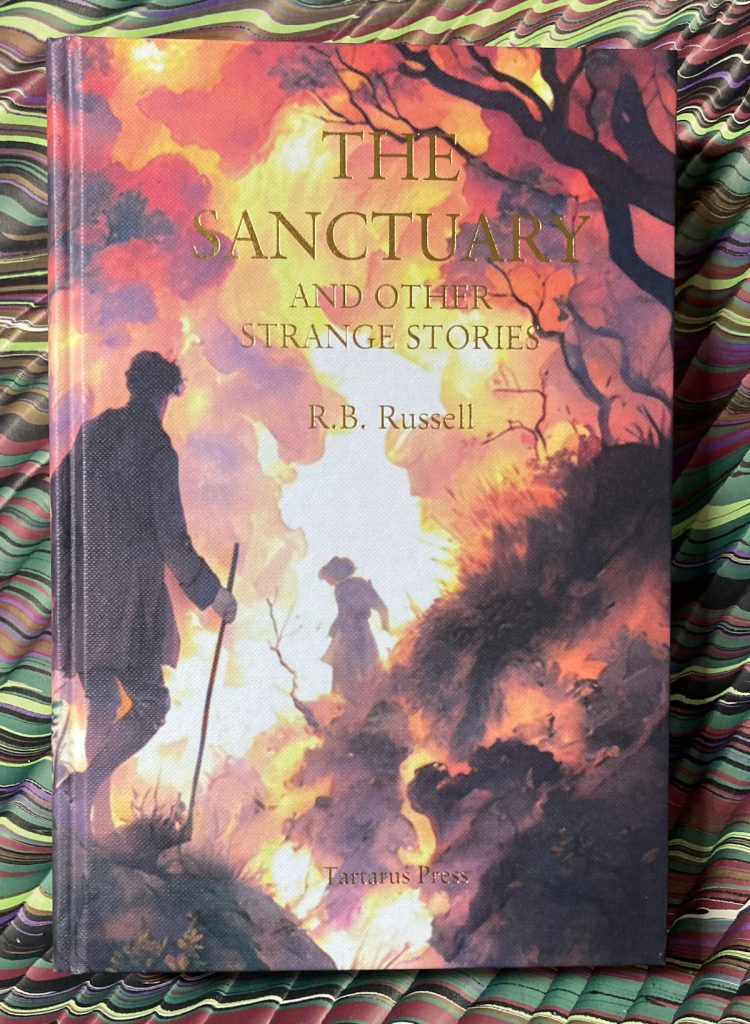
— R. B. Russell. The Sanctuary and Other Strange Stories. Tartarus Press, [2026]. Pictorial boards, dust jacket, from a painting by the author.
Collection of 28 stories, written over a period of some two decades.
Am really looking forward to reading this.

— — —

recent reading :

‘an inventory of silent nothings’
— (LAWRENCE, T. E.) Colin Sackett. The      . A Concordance. Uniformbooks, 2026. [Gift of MV].
Bibliographical concordance to the expurgations in the published edition of The Mint, A day-book of the R.A.F. Depot between August and December 1922 with later notes by 352087 A/c Ross (1955). T. E. Lawrence wrote an account of his time in the R.AF. and in March 1928 “he sent a clean copy of the revised text to Edward Garnett [who] had copies typed which were circulated to a small circle, among them Air Marshal Trenchard. Trenchard’s concerned response led Lawrenceto guarantee that it would not be published at least until 1950.” When Lawrence died following a motorcycle crash, his brother made arrangements with Doubleday, Doran, American publishers of Seven Pillars of Wisdom, to produce 50 copies of a copyright edition of The Mint in 1936 (O’Brien A166), ten copies of which were nominally for sale at the prohibitive price of $500,000 per copy. When The Mint was published in 1955, the censored content (“all objectionable words”) was not “conventionally redacted — by substituting asterisks, or emphatic black overprinting — but rather, made absent” :  as blank spaces. The vocabulary is rather limited and predictable : in his editorial note, Sackett helpfully provides an inventory. (In 1973 a definitive edition, edited with a preface by J. M. Wilson, and including the objectionable words and names as they appeared in the manuscript, was published by Cape).

— — —

— Richard K. Morgan. No Man’s Land. Del Rey,  [2026].
Violent collision of notions of Faerie with the dislocations in the aftermath of the first world war : memories of trench warfare, sexy witchcraft, and the Forest resurgent and threatening, in a hard-boiled detective mode, with mockery of the political and intelligence establishment (and the Order of the Golden Dawn). Relations between humans and “the Huldu” are largely gladiatorial in nature and the encounters are deftly choreographed. While Dunsany is named from the first page, and one of the book’s sectional epigrams cites Raymond Chandler (“It is not a very fragrant world, but it is the world you live in.”), the narrative tone is much more Mike Hammer or Carroll John Daly than Hammett or Chandler. An intense book.

— — —

— Charles E. Gould, J, Jnr. The Toad at Harrow. P. G. Wodehouse in Perspective. London: [Printed by the John Roberts Press for James H. Heineman], 1982.

— — —

— An Englishman in New York. A Selection from the Library of Stephen C. Massey. Illustrated. 112 pp. (220 items). Peter Harrington, 2026.
An interesting and wide-ranging catalogue with numerous dedication copies and interesting rarities, such as Melmoth the Wanderer (1820) in rose muslin over boards (right at the dawn of modern cloth bookbinding), and a beautiful pair of Norwich textile sample books from the same period. As an auctioneer with Christie’s Mr. Massey sold a Gutenberg Bible in 1978 and the Codex Hammer of Leonardo da Vinci in 1994 (now known as the Codex Leicester).

— — —

— Madly Singing in the Mountains. An Appreciation and Anthology of Arthur Waley. Edited with a preface by Ivan Morris. George Allen & Unwin, [1970]. Recollections of the great translator and poet Arthur Waley, whose A Hundred and Seventy Chinese Poems (1918) is one of the great texts of English modernist poetry ; he also translated Japanese poetry, The Pillow Book of Sei Shonagon, The Tale of Genji, The Poetry and Career of Li Po, and Monkey. With a miscellany of extracts from his other works.

If there is but a seed
On the face of the rock
A pine will grow ;
And shall not love worth calling love
Find always a way to meet ?

— — —

— John Blackburn. The Blue Octavo. Jonathan Cape, [1963].

— Colin Dexter. The Way through the Woods. Crown Publishers, [1992].

— Bernard J. Farmer. Death of a Bookseller [1956]. Poisoned Pen [in association with the British Library, 2023].

— Henry Wade. The Hanging Captain. Constable, [1932].

— — —

 

ROUND-UP OF BOOKS FROM 2025 WORTH LOOKING FOR

— Charlotte Brontë. A Book of Ryhmes. [Introduction by Patti Smith.] Brontë Parsonage Museum / Tartarus Press, [2025].
Photographs and transcription of the small book of poems written by Charlotte Bronte October to December 1829. Samantha Ellis in the TLS : “it is amazing to read a young writer loudly, exultingly, exploring her ideas on the page.” [Also includes “Charlotte Brontë’s ‘Blue Profound’” by Barbara Heritage, and my essay, Travelling with Charlotte.]

— Brendan C. Byrne. Another World Isn’t Possible. Stories. [Melbourne :] Wanton Sun, [2025].
Dark, tricky, and often formally innovative stories from the hybrid digital interface of present and future, including “a Stone and a Cloud”, about two perilously immersive video games ; the oh so deftly choreographed bar room encounter of “There Is No Comte de St. Germain for I Am He” ; “reviews” of nonexistent stories ; tales of artists making art in media that may someday exist ; and the surprisingly touching arc of “The Ideal and the Actual”.
“Ruthlessly hip, transreal surreal. Worth your time.” — Rudy Rucker
Available in U.SA. from Barnes & Noble or bookshop.org.

— Tom La Farge. THE CRIMSON BEARS [and] A HUNDRED DOORS. [Introduction by Wendy Walker.] Tough Poets Press, [2025].
This is delightful news ! This two-part novel of talking animals of all kinds (only the human animal is irrelevant and absent) was first published by Sun & Moon in 1993 and 1995. Its cult readership included your correspondent and Austin mage Don Webb who each discovered the work independent of the other.
Tom La Farge was a very tricky writer whose erudition was never ostentatious. Wendy Walker knew the book from its origins as bedtime story and illustrated letters for Tom’s son Paul La Farge, who grew up to be a novelist ; her introduction is deeply personal and touching and also charts the many layers on which Tom was playing with words. Glimpses of the earliest manuscript adorn the inside of the covers.
READ THIS BOOK, you won‘t regret it.

— 100 Years 100 Voices. The Chapin Library. [Edited by Anne Peale. Photography by Nicole Neenan]. Williams College, [2025]. A beautiful and richly illustrated celebratory catalogue, presenting selected items from the Chapin Library at Williams College, established with gifts from Alfred C. Chapin in 1923. This is an important publication, a concise and compelling testimony about why books and libraries are central to education.

— Patti Smith. Bread of Angels. Random House, [2025]. Excellent and touching memoir of a rock ’n’ roll heroine, a great artist, uncompromising in matters of language ; and what a reader.

— Mark Valentine. Borderlands and Otherworlds. Tartarus Press, [2025].
Collection of 32 essays on books and reading, with an emphasis on the fantastic and supernatural in the interwar years and into the 1950s. The hardcover edition sold out, but it is now available in paperback.
— —. The Uncertainty of All Earthly Things. Tartarus Press, [2025].
New edition, expanded from the 2018 Zagava printing, with nine additional stories and vignettes. Includes “Vain Shadows Flee”, which was included in Best British Short Stories 2016.

— Michael Zinman. The Critical Mess. 2025. [Distributed by Temporary Culture].
I was involved in its production, yes, but it is really one of the most original books to appear this year.

— — —

‘The Modern Movement’ Sixty Years On

‘a Bloomsbury ghost story’

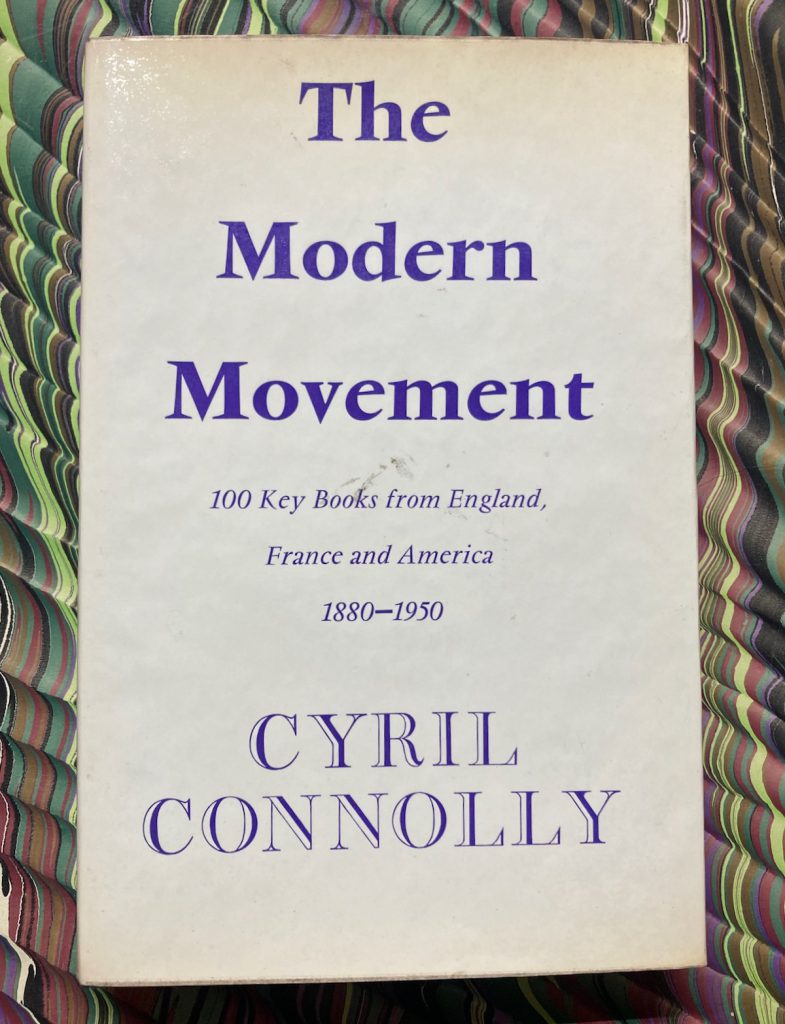
This month marks sixty years since publication of The Modern Movement 100 Key Books from England, France and America 1880 – 1950 by Cyril Connolly and the anniversary prompted me to look into my copy again, to see how many titles from this perpetual argument I have read. There are a few clippings from contemporary reviews in London newspapers tucked in the back, with comments ranging from bilious persnickety objections about the “crazily unsuitable title for such a very personally conducted excursion” (Tour d’Horizon, in the Times Literary Supplement for 23 December 1965) to complaints of omission of works from central and eastern and southern Europe (let alone non-western literatures !). The funny thing about this “kind of  Michelin Guide to the 100 key resorts of modern literature” (Anthony Curtis, Knocking up a Century, in the Sunday Telegraph, 12 December 1965)* is that all of the praise and criticisms of the book are still true, and the passage of time has made the omissions only more evident.
And yet it does not matter. “Connolly’s list had to be judged within his own terms of reference. They were meticulous” (Oliver Edwards, Talking of Books, in the Times, 9 June 1966). He did not aspire to universality : his hundred comprises books in English and French (languages Connolly read with facility) and constituting “a revolt against the bourgeois in France, the Victorians in England, the puritanism and materialism of America.” Some of the choices seem at first glance a bit old-fashioned and nostalgic in 2025 (“Nostalgia, nostalgia” was a complaint of reviewers at the time), but when reading Connolly’s summaries and the context he offers, the relevance becomes clear.

Any list is an invitation to argument, of course, that is half the fun. Attempts to define a canon by their very nature invite readers to form their own opinions, to determine positions of resistance or opposition, and to propose alternative or transgressive views. There is long tradition of these lists of key or influential works in literary history and in collecting : think of the Grolier Club hundreds in English and American literature, science, medicine, typography, and children’s books. In the category of superlatives, there have been Best Book hundreds in science fiction, fantasy, and horror (the Horror volume edited by James Cawthorn and Michael Moorcock elicited some very acute contributions from contemporary writers). Even in adhering strictly to 100 titles, Connolly still manages to cram in allusions to dozens of other “key” writings from Leaves of Grass and Adventures of Huckleberry Finn to Sartre (H. R. F. Keating did much the same in his detective fiction hundred).

— The Modern Movement 100 Key Books from England, France and America 1880 – 1950. Chosen by Cyril Connolly. Bibliography of English and French editions [by] G. D. E. Soar. Andre Deutsch | Hamish Hamilton, [1965].

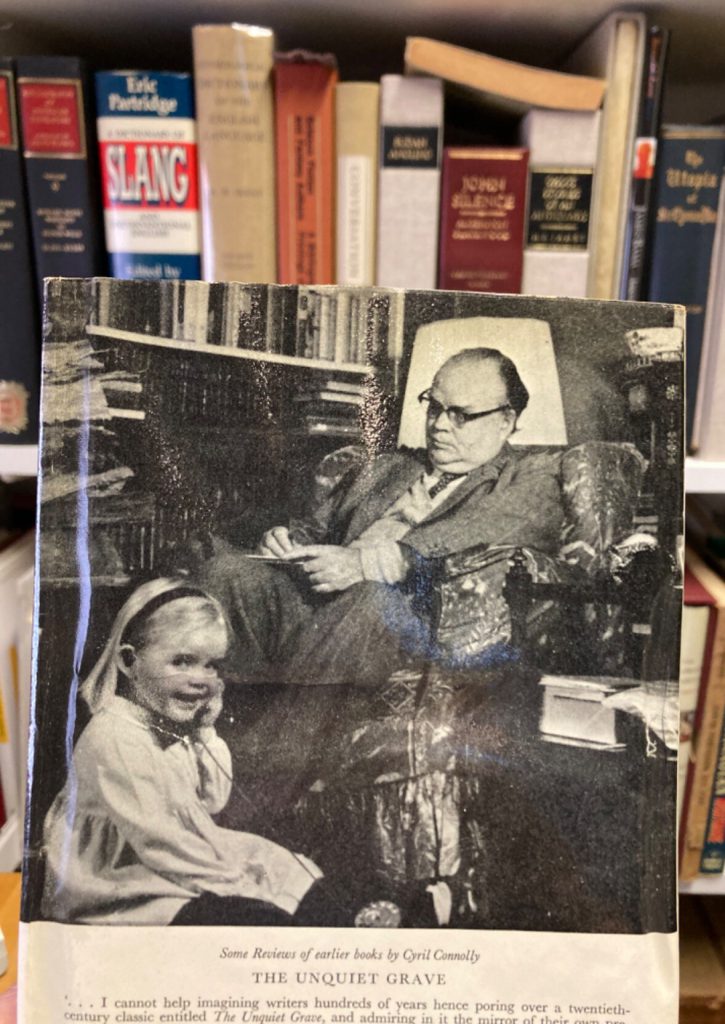
Back cover photo of The Modern Movement by Otto Karminski, 1965. [What the hell is going on there ?]

— — —

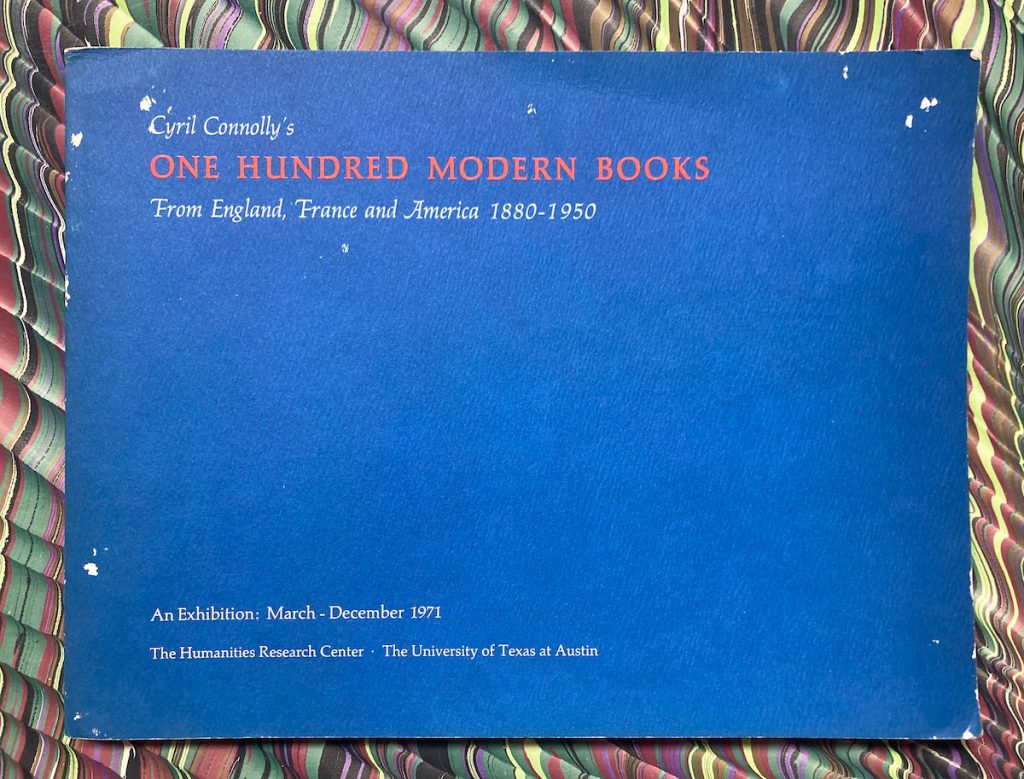
In “Apotheosis in Texas”(Sunday Times, 6 June 1971) Connolly recalled how his book was “marred by misprints, savaged by critics and immediately followed up by a polymath compendium which included scientists and film stars as if to prove how mine should have been done. Only in booksellers’ catalogues did my own selection and phrasing — fruit of years of love and worry — begin to make headway.” No surprise, really, lists are useful for collectors as well as for readers and booksellers — and the ambivalence of academic critics was water off a duck’s back to him, particularly after 1971, when the Humanities Research Center of the University of Texas at Austin, mounted an exhibition of books and manuscripts based on Connolly’s hundred, The illustrated catalogue continues to dazzle, with manuscripts, inscribed books, letters, and more.

— Cyril Connolly’s One Hundred Modern Books from England, France and America 1880 – 1950. Catalog by Mary Hirth with an introduction by Cyril Connolly. An Exhibition : March – December 1971. The Humanities Research Center – The University of Texas at Austin, [1971].

— — —

* Curtis has one of the best observations about The Modern Movement : “Anyone who thinks it is impossible to say anything significant in under 800 words ought to read some of these brilliant compressions ; if this is ‘instant criticism”, let us have more of it.”

And I still have a fair bit of reading to do.

— — —
George D. Smith, rare book dealer

Book Bloggers before the internet
(an irregular series)
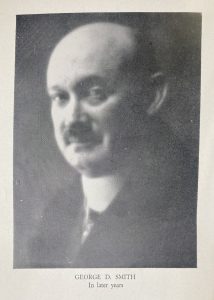
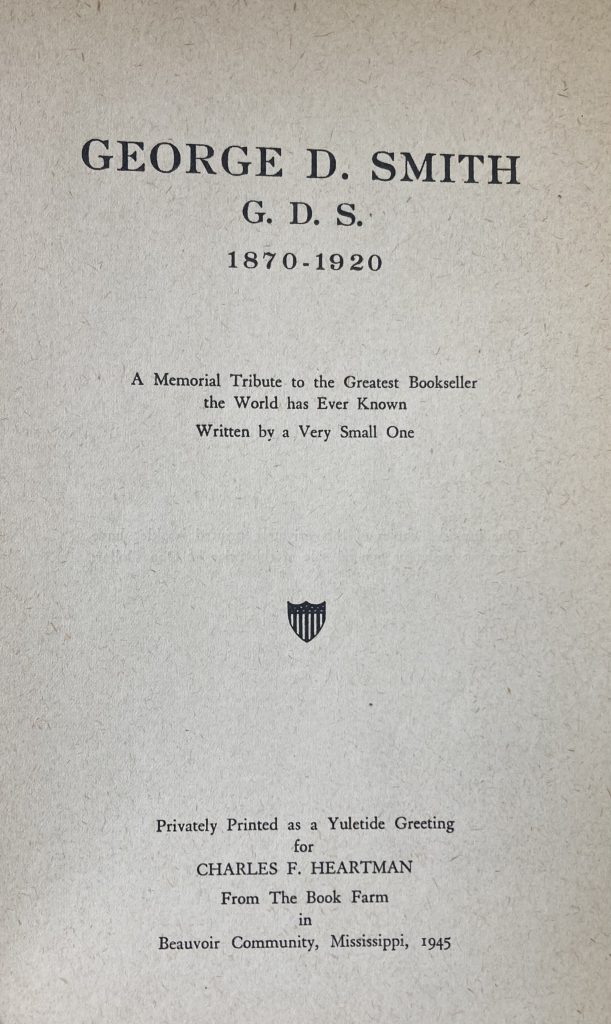
— Charles F. Heartman. George D. Smith. G. D. S. 1870-1920. A Memorial Tribute to the Greatest Bookseller the World has Ever Known. Written by a Very Small One. [Cover title : George D. Smith Gentleman Bookseller]. With two plates from photographs. [2], 31 pp.  Privately Printed as a Yuletide Greeting for Charles F. Heartman. From the Book Farm in Beauvoir Community, Mississippi, 1945.
Among antiquarian booksellers, the name George D. Smith is somewhat legendary. he bought for Henry Huntington, so those books rarely come back in circulation, but he also bought for other major collectors in the gold age. Two spectacular books from the Bixby library that I have seen both came from Smith. So it was a pleasant surprise to find this excellent memoir by German-born Americana dealer Charles F. Heartman, a prolific writer on a variety of subjects, including the New-England Primer. His bibliography of Phillis Wheatley (1915) is a reminder that certain booksellers have always been far in advance of the academy.
George D. Smith started age thirteen as an untrained stockboy and bookseller’s apprentice at Wiley and Son, for a little while at Dodd and Mead. Smith followed Walter Benjamin who set up his own business in 1885. Smith had a retentive memory and with Benjamin, who dealt not only in rare books but also in prints and autographs, “Young Smith’s horizon was not only widened but his intellect was called upon to observe and assimilate many diverse elements.” By 1889, Smith had set up his own shop, with a meager capital of sixty-three dollars. “Of course his capital was not sixty-three dollars. It was his incomparable knowledge of the principles of what constituted a rare book and the value of such material. It was his acquaintanceship with the sources of supply, his indefatigable energy, and the assurance of having the good wishes of many generous collectors.” Heartman charts Smith’s career with verve and interesting detail. He was well placed to write this memoir, for in late 1919 Smith offered him a long-term job. Their discussions were well advanced when Smith died suddenly. The decline and extinction of the George D. Smith Company is also noted. Heartman was going to put up money to buy the remains with another bookseller. The junior partner instead borrowed money from Jerome Kern, cut Heartman out of the deal, and quickly steering the ship onto the rocks.
— — —
september : Copenhagen, recent reading, &c

It’s September again, and the annual congress of the Association internationale de bibliophile (A.I.B.) will be held in Copenhagen 7-14 September. I am looking forward to the gathering, in particular the chance to see the Arnamagnæan manuscripts at the university of Copenhagen. And the surprises to be encountered in a city I’ve never before visited.

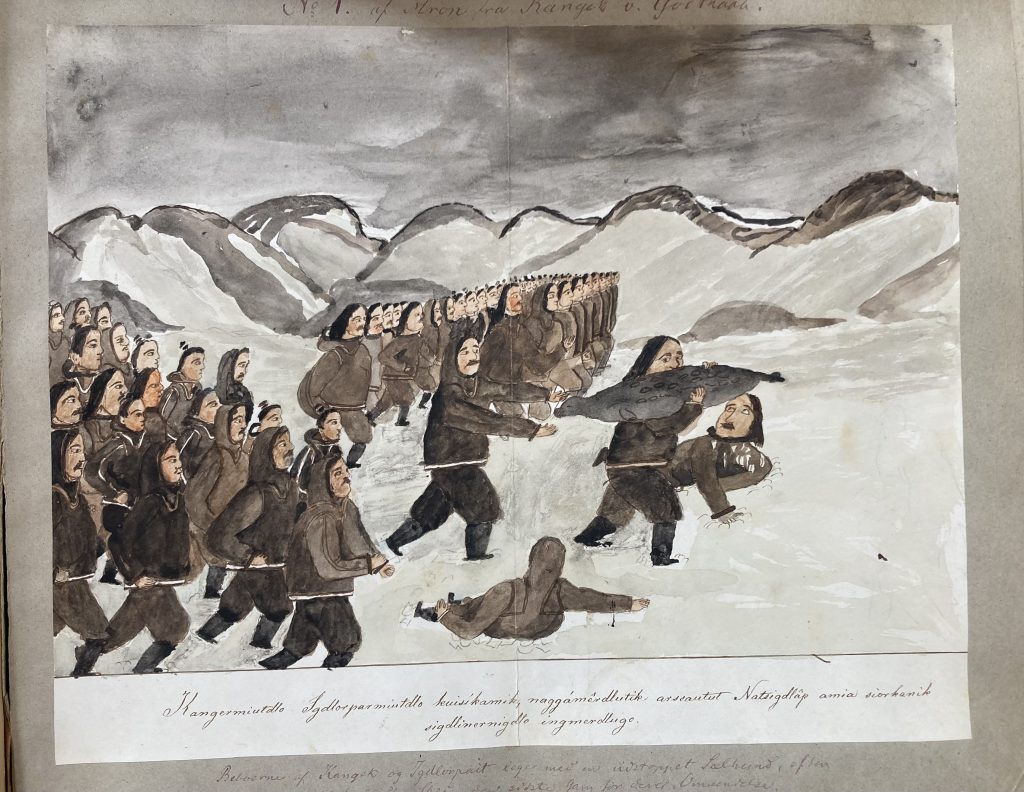
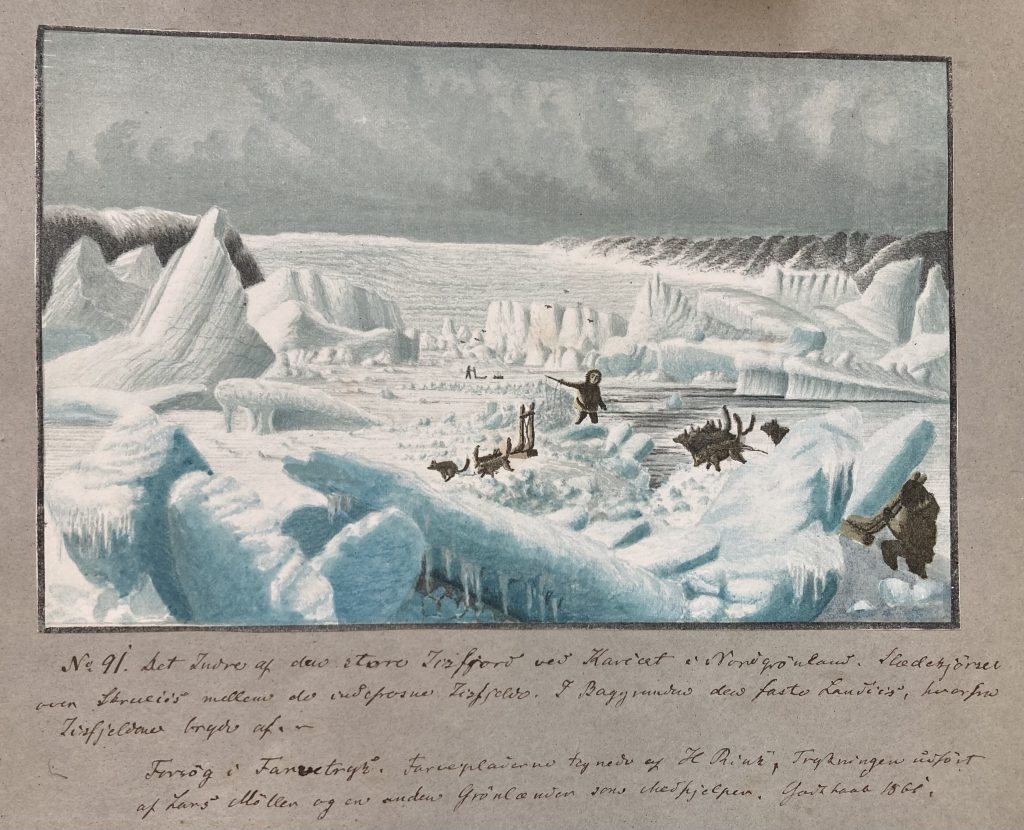
Watercolor of Greenland winter scene, ca. 1860, from an album presented to Danish King Frederik VII

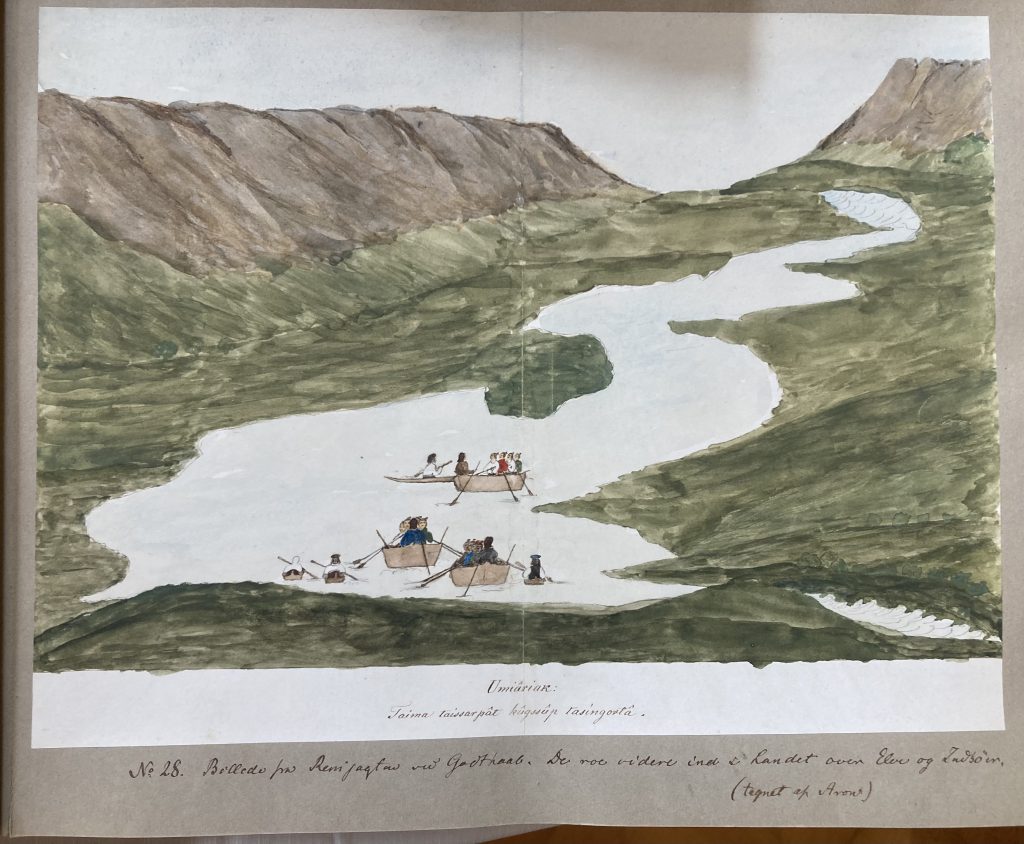
Watercolor scenes of Greenland, ca. 1860, from an album presented to Danish King Frederik VII [in the King’s Reference Library].

— — —
On the island near the Opera House, Copenhagen.

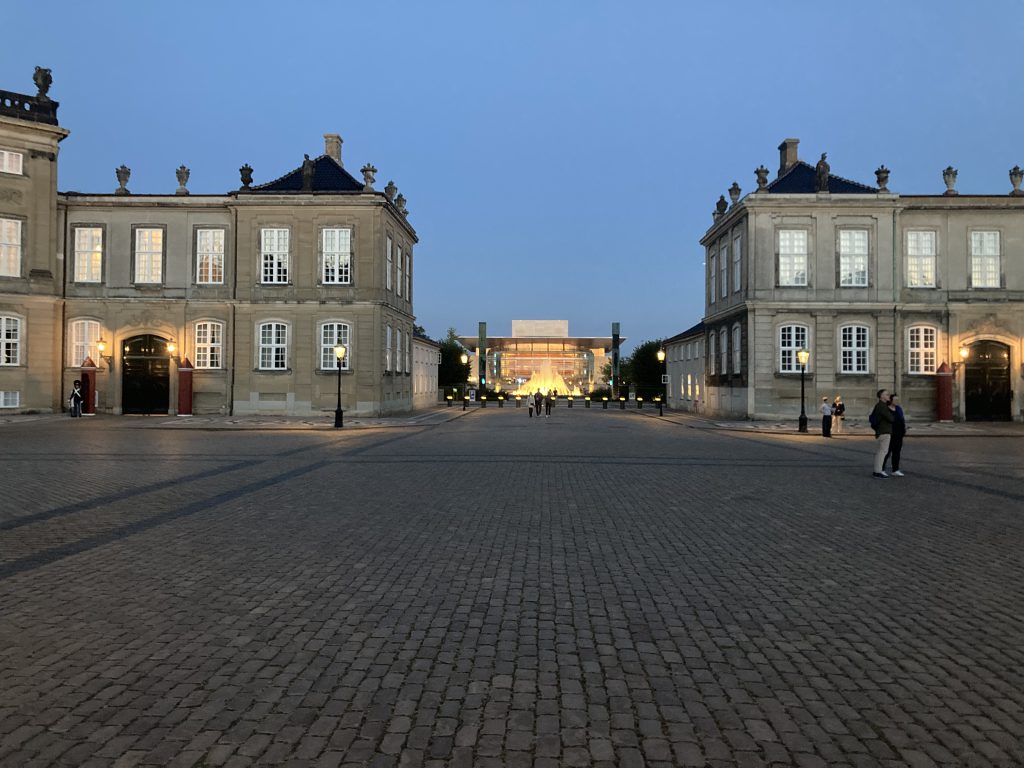
view of the Opera House from the Amaliaborg Palace

View of the Opera House from the Amalienborg Palace.

— — —
Arne Jacobsen and Flemming Lassen. The House of the Future. [Copenhagen, 1929]. Drawing at the Royal Library in the Skatte / Treasures exhibition

The House of the Future. [Copenhagen, 1929]. Drawing by Arne Jacobsen and Flemming Lassen, at the Royal Library in the Skatte / Treasures exhibition.

— — —
the view from the hill, easy nature at Louisiana, Denmark

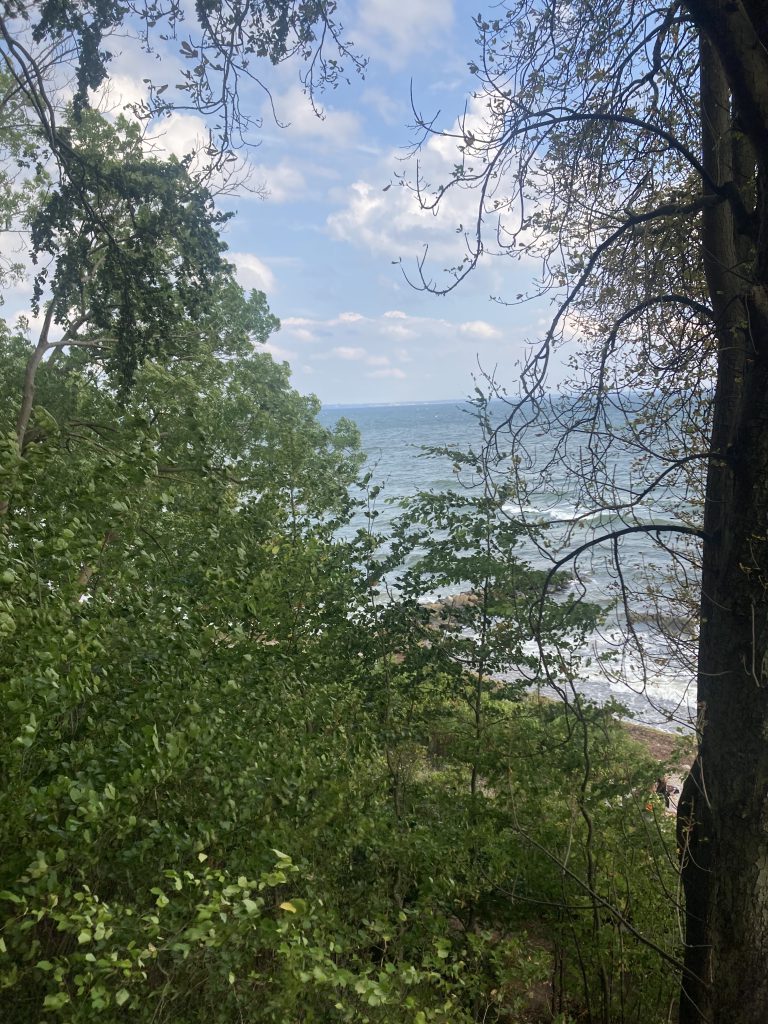
The view from the hill, at Louisiana (Sweden on the distant shore).
/ file under : easy nature

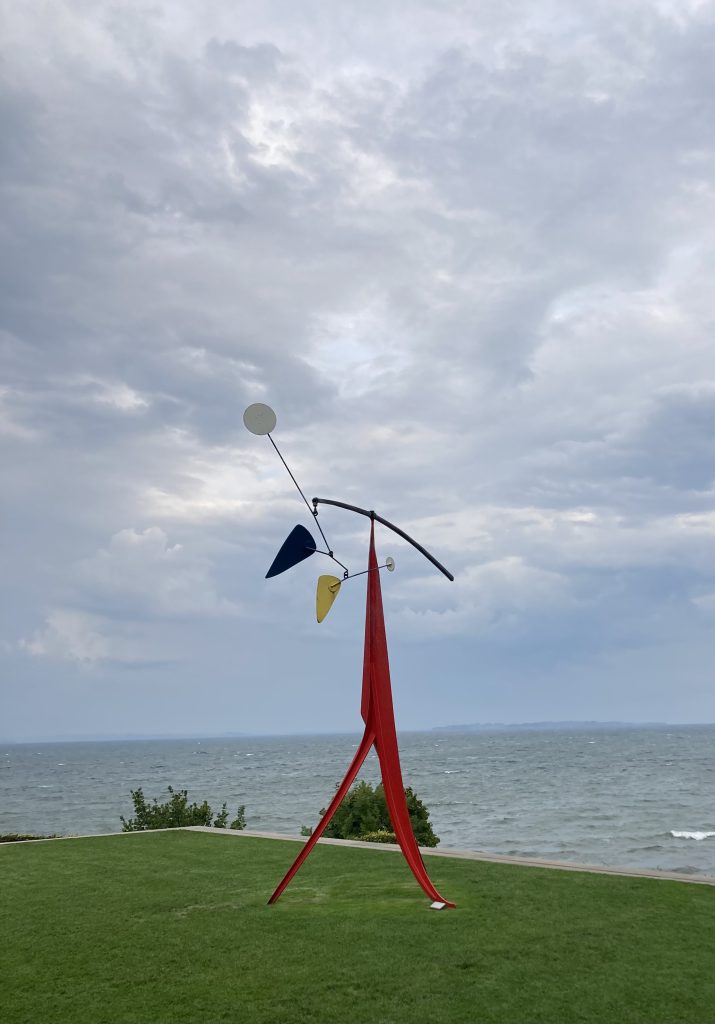
Alexander Calder at Louisiana, Denmark

Alexander Calder at Louisiana.

Richard Serra at Louisiana, Denmark

Richard Serra at Louisiana.

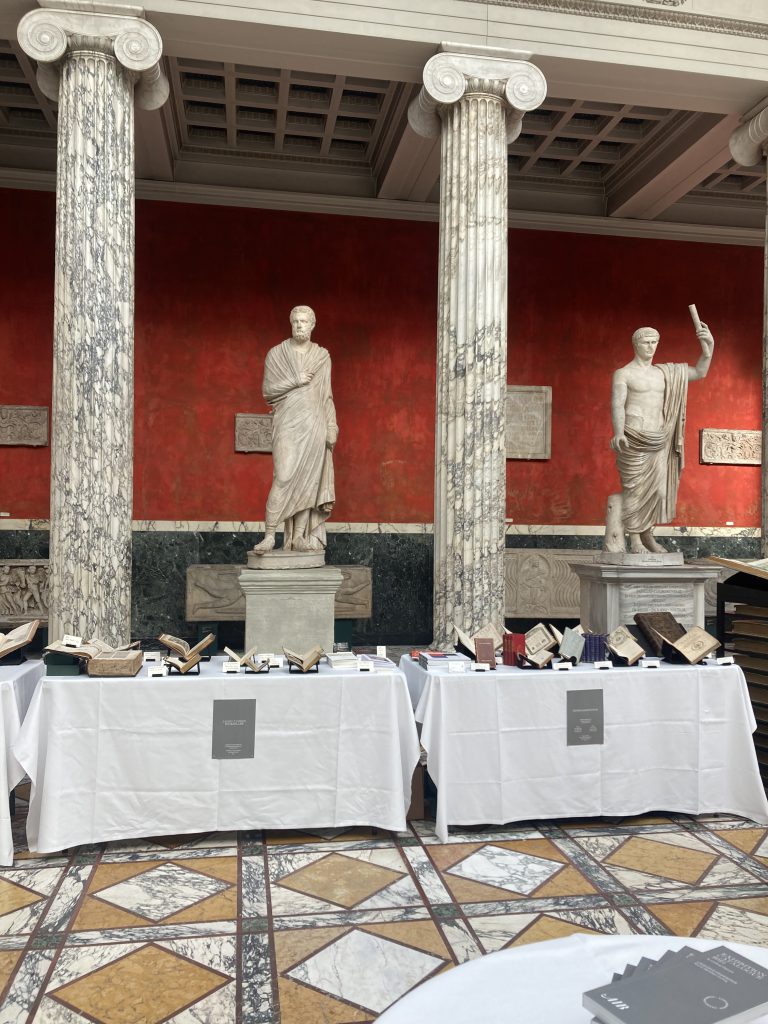
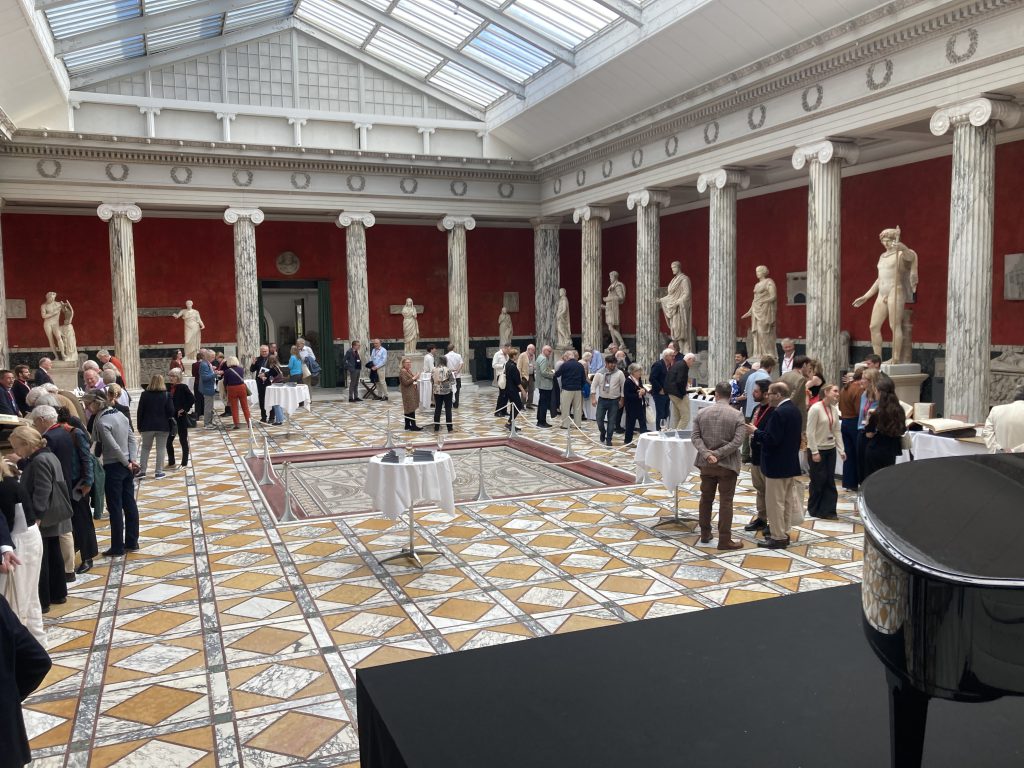
A.I.B. Copenhagen : book fair in Ny Carlsberg Glyptothek

A.I.B. Copenhagen : book fair in Ny Carlsberg Glyptothek this morning

A.I.B. Copenhagen : book fair in Ny Carlsberg Glyptothek

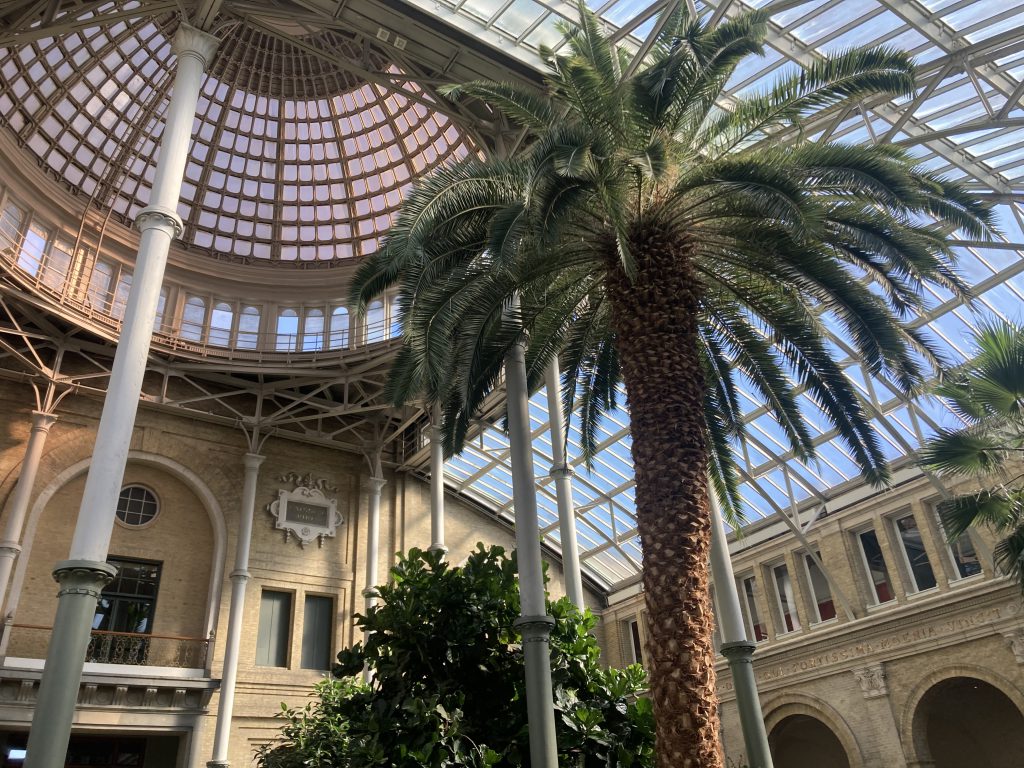
Ny Carlsberg Glyptotheket

— — —

current reading :

— 66 [Sixty-six] Manuscripts from the Arnamagnæan Collection. Edited by Matthew James Driscoll [and] Svanhildur Óskarsdóttir. Museum Tusculanum Press, University of Copenhagen, [2015].
Illustrated commentary and discussion of selected manuscripts collected by Icelander Árni Magnússon in the late seventeenth and earliest eighteenth century : the wellspring of Icelandic literature, and of mediaeval Danish and Icelandic history and culture.

— Christopher Moore. Anima Rising. A Novel. William Morrow, [2025].

recent reading :

— Michael Innes. Appleby on Ararat (1941). Penguin Books, [1961].

— Michael Innes. Appleby at Allington [1968]. Penguin Books, [1970].
It was, Appleby reflected uncharitably, the successful Englishman’s chosen route to going soft.


A Chapin Centenary, Michael Innes, & others : recent reading mid-august 2025

recent reading :

— 100 Years 100 Voices. The Chapin Library. [Edited by Anne Peale.] Williams College, [2025].
A beautiful and richly illustrated celebratory catalogue, presenting selected items from the Chapin Library at Williams College, established with gifts from Alfred C. Chapin in 1923. Chapin had been buying very good and interesting books from the best dealers for nearly a decade before the initial gift, and the collection has grown since, through purchase and donation. The Chapin Library had a dynamic founding librarian, Lucy Eugenia Osborne, and has always functioned as a teaching library for undergraduate instruction. This intention shines through in this anthology.  The collection ranges from European incunables and an Eliot Indian Bible (1663) to an Audubon Birds of America purchased from James Drake, from a miniature printing press owned by John Fast to a recent risograph artist book (and four copies of the 1855 Leaves of Grass). The short pieces about the books are by alumni (long gone and recent), past and present curators and librarians, faculty members, and others. The photographs, by Nicole Neenan, are nicely reproduced. This is an important publication, a concise and compelling testimony about why books and libraries are central to education.

— — —

— Timothy d’Arch Smith. The Stammering Librarian. [Strange Attractor, 2024]
I am delighted to have come across this collection of essays by bookseller, novelist, and bibliographer Timothy d’Arch Smith, whose novel Alembic (1992) appears in my Grolier Club exhibition checklist. The title essay and one or two of the other pieces link up directly to the concerns of his excellent memoir of bookselling in London in the 1960s, The Times Deceas’d (2003). There are memoirs of persons real and imaginary, including The Rev. T. Hartington Quince M.A., a Nicholas Jenkins / Anthony Powell pastiche now first published for a wider audience, though the British Library entry for the original appearance (in an edition of 15 copies in 1991, shelfmark YA.1992.b.6526), records Nicholas Jenkins as a “creator” ! Cricket, novelist Julia Frankau, school slang, and Aleister Crowley are other topics.

— — —

Over the next several weeks it will become ever clearer that I have embarked upon reading Michael Innes, whose wordplay and inventiveness are a pleasure. John Clute alerted me to The Secret Vanguard, and Mark Valentine lists Appleby’s End among his short list of Finest Quality Old English Yarns. I am enjoying the variety of this box of mostly tatty paperbacks — after reading a POD edition of The Secret Vanguard I decided that I am happier with a worn paperback — and I will eventually do something than merely extract interesting phrases.

— Michael Innes. Stop Press [1939]. Penguin Books, [1958].
——The Gay Phoenix. A Novel [1976]. Book Club Associates, [1976].
——. Hare sitting up [1959]. Penguin Books, [1964].

Jean turned and faced him. ‘Could you possibly,’ she said, ‘cut the cackle? And tell me what all this is about?’

——. Appleby’s End [1945]. Penguin Books, [1972].

Abbott’s Yatter, King’s Yatter, Drool, Linger Junction, Sleeps Hill, Boxer’s Bottom, Sneak, Snarl, Appleby’s End, Dream

‘Mister,’ he said heavily, ‘did ’ee ever see a saw ?’

— — —

— Michael Zinman. The Critical Mess. [Privately printed], 2025.
Compendium of articles by and about legendary collector of Americana Michael Zinman, whose “critical mess” theory is trickier than a casual glance might suggest :

“If you have enough stuff, good and not so good, you see things that someone collecting only fine copies will miss. This doesn’t in any way cast aspersion on the collector who desires the finest copy of a work, it’s just another way of approaching this world.”

— — —